

I. Introduction: Why Do the Wicked Prosper?
The prophet Jeremiah, known for his unwavering commitment to God’s truth, grappled with a profound question that continues to resonate with us today. In Jeremiah 12:1-2, he voiced his struggle, asking the Lord,
You will be righteous, Lord,
even if I bring a case against You.
Yet, I wish to contend with You:
Why does the way of the wicked prosper?
Why do all the treacherous live at ease?
You planted them, and they have taken root.
They have grown and produced fruit.
You are ever on their lips,
but far from their conscience.
“Why does the way of the wicked prosper? Why do all the faithless live at ease?” Jeremiah witnessed the apparent success and prosperity of those who disregarded God’s ways. From our human perspective, it makes no sense that wicked prospers. Throughout history, wicked people thrived in their wickedness. For instance, King Herod, who ruled over Judea during the time of Jesus’ birth, was cruel and oppressive. But Herod also enjoyed considerable wealth, power, and influence.

In our time, wicked still flourishes. Notorious drug lord Joaquín “El Chapo” Guzmán was one of the most powerful and violent drug traffickers in Mexico. Officials estimate he killed 3000 people himself and responsible for another 70,000 deaths. Despite all this harm and suffering, Guzmán amassed vast wealth and influence, becoming one of the world’s most wealthiest billionaires.

The world is often marred by injustices. The wicked may appear to thrive, leaving us to wonder about God’s timing and justice.
In Psalm 73:3, the psalmist asks,
For I envied the arrogant;
I saw the prosperity of the wicked.

It’s the same question. Why do the wicked prosper while the righteous suffer? In Job 21:7-16, Job expressed his frustration,
Why do the wicked continue to live,
growing old and becoming powerful?
Their children are established while they are still alive,
and their descendants, before their eyes.
Their homes are secure and free of fear;
no rod from God strikes them.
Their bulls breed without fail;
their cows calve and do not miscarry.
They let their little ones run around like lambs;
their children skip about,
singing to the tambourine and lyre
and rejoicing at the sound of the flute.
They spend their days in prosperity
and go down to Sheol in peace.
Yet they say to God: “Leave us alone!
We don’t want to know Your ways.
Who is the Almighty, that we should serve Him,
and what will we gain by pleading with Him?”
But their prosperity is not of their own doing.
The counsel of the wicked is far from me!
Job questions why the wicked live on, grow old, and increase in power despite their wickedness. Is righteousness in vain? Is there a disparity between God’s love and justice? It is only natural for believers to wonder why a holy and loving God would permit His people to endure suffering while the wicked seem to thrive. Is God both loving and in control?
When faced with this quandary, it is crucial to recognize that God’s perspective surpasses human understanding. His ways are higher than our ways, and His thoughts are higher than our thoughts (Isaiah 55:9). While we may struggle to comprehend the reasons behind the wicked’s prosperity and the righteous’ suffering, we must hold steadfast to the belief that God is just and righteous in all His ways (Deuteronomy 32:4). In moments of uncertainty, we can find peace knowing that God sees the full picture, including the eternal consequences and destinies of both the righteous and the wicked. This tension prompts believers to exercise faith, trust, and surrender to God’s sovereignty, knowing that He works all things together for the good of those who love Him (Romans 8:28). When we question the prosperity of the wicked, can we find a deeper understanding of God’s character, can we align our hearts with His purposes, and can we find assurance in His unfailing love and justice?
II. Temptation to Envy the Wicked
When confronted with the prosperity of the wicked, it is essential for us, as God’s children, to turn our gaze inward and examine our own hearts. Rather than solely focusing on the outward circumstances and blessings of the wicked, we should seek to understand the motivations and desires that lie at the core of our inquiry. Are we upset when an evil person prospers because they possess something we covet or desire? Do we question the fairness of God’s distribution of blessings and rewards?

Is it possible that our own hearts may be entangled with envy, jealousy, and misguided desires? Are we envious of the wicked? The prosperity of the wicked can serve as a mirror, revealing the hidden areas of our hearts that require purification and alignment with God’s truth. It is a reminder to redirect our focus from worldly achievements and material gains to the pursuit of righteousness, contentment, and trust in God’s providence. As we deepen our relationship with God and align our desires with His will, we find fulfillment in His presence and the assurance that He will provide for our needs according to His perfect plan. Rather than yielding to envy or resentment, Matthew 6:33 says we are called to take delight in the Lord and seek first His kingdom and righteousness. Through self-reflection and realigning our hearts with God’s purposes, we can experience a transformation that enables us to view the prosperity of the wicked through the lens of eternal truth and live a life that honors and glorifies our Heavenly Father.
As God’s children, it is crucial to delve deeper into the reasons behind our discontentment when witnessing the prosperity of the wicked. What lies at the heart of our inquiry? Are we upset because we perceive an injustice in the distribution of worldly blessings? Do we feel a sense of entitlement, believing that we deserve similar prosperity based on our faithfulness to God?
Identifying the underlying reasons for our discontentment requires honest introspection. It reveals the areas where our perspective may be clouded by worldly values and a temporal understanding of success. Often, our discontentment stems from a misplaced focus on earthly treasures rather than the eternal rewards promised by God. It may be rooted in a lack of trust in God’s timing or a failure to grasp the full scope of His purposes. Recognizing these underlying motives enables us to reorient our hearts towards God and align our desires with His will. It prompts us to cultivate a mindset that values spiritual riches, such as love, peace, and righteousness, over material possessions and temporary gains. By identifying the true sources of our discontentment, we can surrender our desires to God, find contentment in His provision, and pursue a life centered on the things that truly matter in light of eternity.
Envy, the feeling of discontentment or resentment towards others’ blessings or successes, often arises when we witness the prosperity of the wicked. It is essential for us to comprehend the nature of envy and its potential consequences in order to address it effectively. Envy is a destructive emotion that can poison our hearts and relationships. It breeds bitterness, comparison, and a distorted perception of reality, blinding us to the blessings and goodness in our own lives.

Envy also hinders our ability to fully trust in God’s sovereignty and provision. It erodes our faith and contentment, leading us to question God’s wisdom and fairness. Moreover, indulging in envy can lead to harmful behaviors, such as gossip, resentment, and even a desire for revenge. It can damage our relationships with others and with God, as we become consumed by negative thoughts and attitudes.
Recognizing the consequences of envy allows us to confront it head-on. We can seek God’s help to transform our hearts, replacing envy with gratitude, trust, and a genuine celebration of others’ blessings. By focusing on the goodness of God in our own lives and practicing contentment, we can overcome envy and find freedom from its grip. Cultivating a heart of gratitude and celebrating the successes of others allows us to foster healthy relationships, maintain a positive perspective, and experience the joy that comes from a life centered on God’s grace and provision.
III. The Short-Term Prosperity of the Wicked
Another reason why the prosperity of the wicked can be so troubling is our tendency to forget the temporary nature of their fortune. We become so fixated on their present success and worldly achievements that we lose sight of the bigger picture. We forget that the wicked may flourish for a season, but their prosperity is fleeting and transient. Like the grass that withers and the flowers that fade away, their fortune will soon pass.

When we lose sight of the temporary nature of the wicked’s prosperity, we may question the fairness of God’s distribution of blessings and doubt the effectiveness of our own righteous living. However, it is crucial to remember that this world and its temporary rewards are not the ultimate measure of true success and fulfillment. Our focus should be on storing up treasures in heaven, where neither moth nor rust can destroy (Matthew 6:19-20).
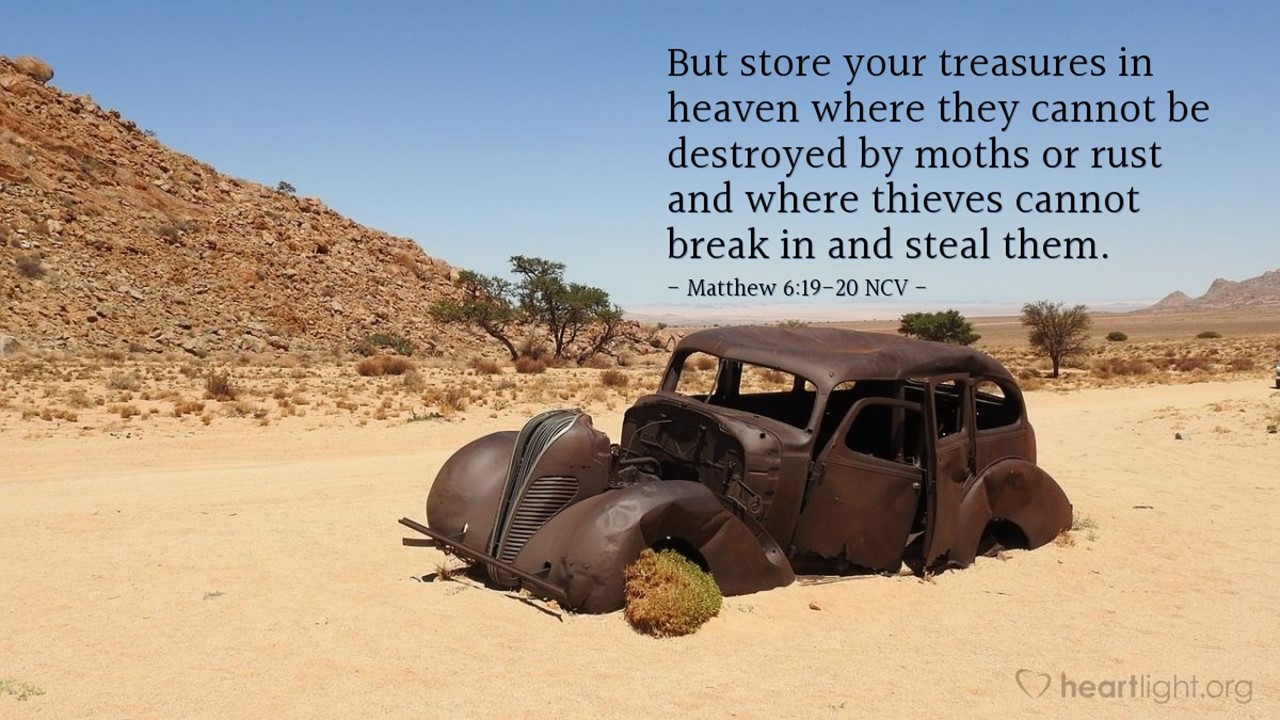
By reminding ourselves of the transient nature of the wicked’s prosperity, we can regain a proper perspective. We understand that lasting joy and fulfillment come from a deep relationship with God and the pursuit of righteousness. We are reminded to set our hearts on eternal things and trust in God’s promises, knowing that our righteous reward brings joy to our Father. Rather than being consumed by envy or doubt, we can find contentment in the knowledge that our eternal inheritance far surpasses any temporal success the wicked may enjoy.
And another reason we struggle with the prosperity of the wicked is that we often lose sight of our own eternal reward and the ultimate fate of the wicked. As human beings, our perspective can become limited to the temporal realm, fixated on the present circumstances and worldly success. In doing so, we forget that as believers, our true inheritance lies beyond this earthly life.

When we focus solely on the wicked’s temporary prosperity, we risk neglecting the eternal rewards promised to the righteous. Our attention becomes consumed by comparison and envy, overshadowing the hope and assurance that come from knowing our future is secure in God’s hands. We forget that our faithfulness to God and obedience to His commands will be rewarded with an everlasting inheritance in His kingdom.
Additionally, losing sight of the ultimate fate of the wicked can contribute to our struggle. While it may appear that they are thriving in this world, we must remember that their prosperity is fleeting. The wicked will ultimately face the consequences of their actions and be held accountable for their deeds. Their apparent success in this life does not exempt them from God’s judgment. Instead of being consumed by frustration or anger, we should trust in God’s justice and His perfect timing. We can find comfort in the assurance that God’s righteousness will prevail, and every person will receive their just reward or punishment according to their choices and actions.
By redirecting our focus to the eternal reward that awaits the righteous and the ultimate fate of the wicked, we regain a proper perspective. We can find solace in the knowledge that God’s justice will prevail, and His faithful children will receive their righteous reward. This understanding allows us to persevere in righteousness, trust in God’s timing, and find peace amidst the apparent prosperity of the wicked.
Psalm 37, a psalm of David, addresses all these concerns and more. Verse 1-4 says –
Do not fret because of evildoers,
Be not envious toward wrongdoers.
For they will wither quickly like the grass
And fade like the green herb.
Trust in the Lord and do good;
Dwell in the land and cultivate faithfulness.
Delight yourself in the Lord;
And He will give you the desires of your heart.
In the face of the prosperity of the wicked, we are encouraged to place our trust in the Lord and resist the temptation to be envious. Psalm 37 provides us with a powerful reminder of God’s faithfulness and the assurance that comes from entrusting our lives to Him. The psalmist urges us not to fret or be envious of those who do wrong, for their success is temporary and fleeting. Instead, we are called to trust in the Lord and do good, dwelling in the land and enjoying safe pasture.
The psalmist further reminds us to take delight in the Lord, finding our satisfaction and joy in Him alone. When we commit our way to the Lord and trust in Him, He promises to act on our behalf. He will make our righteous reward shine like the dawn and our vindication like the noonday sun. Therefore, we are encouraged to be still before the Lord, waiting patiently for His timing and not being unsettled when we see the wicked prospering in their ways.
By embracing the counsel of Psalm 37, we are empowered to cultivate a heart of trust and contentment. We learn to redirect our focus from the temporary blessings of the wicked to the steadfast love and faithfulness of our Heavenly Father. Trusting in the Lord allows us to find peace and rest in His providence, knowing that He is in control and will bring justice in due time. Instead of being consumed by envy, we can fully rely on God’s faithfulness, live in obedience to His Word, and experience the abundant life He has prepared for us.
IV. God’s Grace and Mercy Towards Sinners
Also, God has compassion for the undeserving. We enjoy mercy toward us, but we want judgement toward others.

But many of us were once in the same position as the wicked. We, too, were sinners in need of God’s mercy and forgiveness. It is by God’s rich mercy and His immense love that we have been saved and granted new life through Jesus Christ. On our own, we are unworthy. Our righteousness is not own own, but give to us through Christ.
God extends grace and mercy to unbelievers and calls us to do the same, especially when it is undeserved.
In Ephesians 2:3-5, we are told –
Among them we too all formerly lived in the lusts of our flesh, indulging the desires of the flesh and of the mind, and were by nature children of wrath, even as the rest. But God, being rich in mercy, because of His great love with which He loved us, even when we were dead in our transgressions, made us alive together with Christ (by grace you have been saved).
God’s love and grace are extended to all people, regardless of their sinful nature. We were subject to God’s anger because of our sins. Yet, God, in His rich mercy and great love, offers salvation and new life to those who believe in Him.
We must acknowledge that even the wicked have the opportunity to receive God’s forgiveness and experience His transforming love. God’s desire for salvation extends to all people, including those who are currently living in wickedness. He does not desire the destruction of the wicked but rather their repentance and reconciliation with Him.
This truth prompts us to approach the prosperity of the wicked with a different mindset – one rooted in compassion, prayer, and a genuine desire for their salvation. Instead of being resentful or envious, we are called to intercede on behalf of the wicked, sharing the message of God’s love and grace with them. We often think we know who should perish, but do we think about who God wants to perish? 2 Peter 3:9,
The Lord is not slow about His promise, as some count slowness, but is patient toward you, not wishing for any to perish but for all to come to repentance.

God’s patience should not be mistaken for approval or indifference towards wickedness. Rather, it is an expression of His longsuffering and mercy, allowing time for sinners to recognize their need for redemption and turn towards Him. Each moment of delay is an opportunity for the wicked to encounter God’s grace, leading them to repentance and salvation. As believers, we are called to mirror God’s patience and actively participate in His redemptive work by praying for the salvation of the wicked and sharing the message of hope.
God has deep love for sinners and His earnest desire for their salvation. God’s love is not limited to the righteous or the deserving but extends to all people, including the wicked. His desire is that they turn from their wicked ways, repent, and experience His saving grace.
Romans 5:8 further emphasizes God’s love for sinners:
“But God demonstrates his own love for us in this: While we were still sinners, Christ died for us.”

God’s love is not based on our merit or righteousness but on His character and grace. It is through His unconditional love that He offers salvation to even the most wicked individuals. God’s desire for sinners to be saved reveals the depth of His love and His longing to see them reconciled to Himself.
VII. Conclusion
Sometimes the wicked prosper. Sometimes the righteous suffer. But above all, God has patience and love for sinners. God’s love extends even to the most undeserving, and His desire is for all to be saved. We should imitate His love and pray for the wicked, trusting in His power to transform lives. God’s patience is an opportunity for repentance and a reflection of His boundless mercy.
While we may grapple with the prosperity of the wicked, we can find comfort and guidance in embracing God’s patience and love for sinners. Let go of worldly concerns and rely on His wisdom. Our response should be characterized by prayer for the wicked, that they may hear and believe the message of salvation. Ultimately, we can rest knowing God is working all things for the good of those who love Him.
To God be the glory. Amen.


 Chasing the Wind
Leave a comment