

I. Introduction
In 1 Peter 4:7–11, Peter turns from the dangers of sin and persecution to the positive marks of a Christian life. He shifts the focus from surviving trials to thriving in community and purpose. These verses are grounded in the urgent reality of Christ’s imminent return. The tone is pastoral, yet urgent, and the message is clear: our lives should reflect the grace of God at work within us.
Peter tells believers how to live in light of the end of all things. The theme is not fear, but love. Believers are called to live with clarity of mind, fervent love, and active service, making the most of the time left until Christ’s return. Peter reminds us that everything we have—our breath, our gifts, our words—should reflect God’s grace and bring Him glory. In the early church, these instructions were especially critical because the Christian community was under increasing pressure and persecution, and unity and encouragement were necessary for spiritual survival.

This passage highlights three key traits of a believer: spiritual alertness, deep love, and faithful service. These are not just virtues to admire but practices to embrace. Peter doesn’t simply tell us to be “good Christians.” He gives us practical and purposeful instructions that reveal how a life in Christ should look.
Keep in mind that Peter’s challenge is not simply to endure but to engage fully in a life that glorifies God—through prayer, love, and service, all empowered by the Spirit.
II. I. The End Is Near — Stay Alert and Pray (1 Peter 4:7)
“The end of all things is near. Therefore be alert and of sober mind so that you may pray.”
Peter begins with a stark reminder: the end of all things is near. This is not meant to produce panic, but to inspire perspective. This refers to the return of Christ and the culmination of God’s redemptive plan. Though “near” may seem distant to us, the New Testament writers understood history as entering its final chapter since the resurrection of Christ. God’s promises are certain and unfolding.
When Peter writes “the end,” he uses the Greek word telos, meaning the goal or purpose toward which all things are moving. It is not merely an end in a chronological sense but the consummation and fulfillment of God’s plan. The church age—the time between Christ’s resurrection and His return—is the final era before the full establishment of God’s Kingdom. The “nearness” of the end is an encouragement to live with urgency and hope, knowing that God’s final victory is guaranteed.
This concept of imminence shaped the early church’s mindset. Paul also speaks of this expectancy in Romans 13:11-12:
“And do this, understanding the present time: The hour has already come for you to wake up from your slumber, because our salvation is nearer now than when we first believed. The night is nearly over; the day is almost here.”
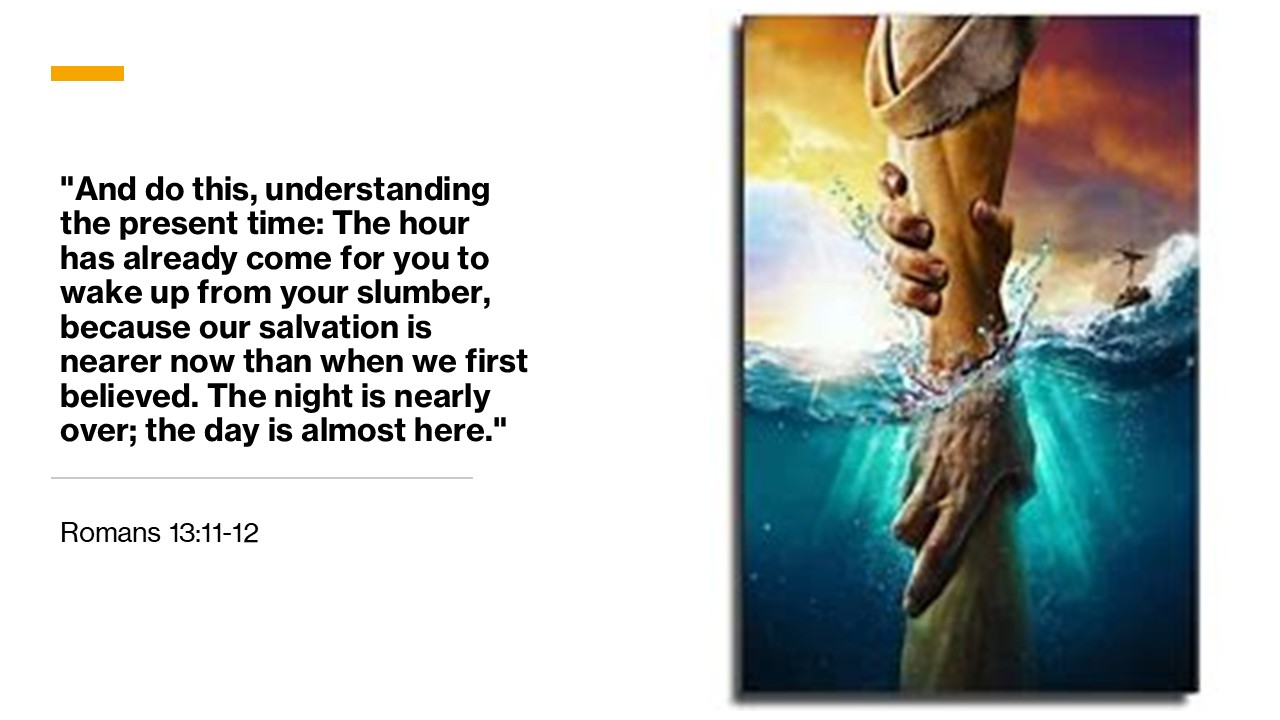
Living in light of the end means living with readiness. Peter’s response to this nearness is not despair but prayer. Effective prayer requires a clear head and a disciplined heart. “Be alert and of sober mind” (Greek: sōphroneō) means being self-controlled, thoughtful, discerning—able to pursue the will of God above worldly distractions. It is the discipline of not letting fear, pleasure, or complacency cloud our vision.

Peter knew firsthand the danger of distraction. When he stepped out of the boat to walk to Jesus, he faltered as soon as he looked at the waves instead of the Savior (Matthew 14:30). Likewise, unfocused living leads to spiritual drift. The time is short; we must stay spiritually awake, recognizing that our prayers connect us with the eternal purposes of God.
Prayer isn’t just for comfort—it is the means by which we remain aligned with the Spirit. Prayer is preparation for the coming King. It shapes our hearts to long for His return and equips us to live faithfully until He comes. And in a world of anxiety and temptation, sober-minded prayer helps anchor our hope, renew our focus, and empower our witness.
It’s easy to be distracted in a culture of endless entertainment, information, and pleasure, but Peter calls us to live intentionally, recognizing that every prayer, every act of love, and every use of our gifts has eternal significance. We are called to live with alertness, hope, and prayer—because the end is near, and our time to glorify Christ through our lives is precious.
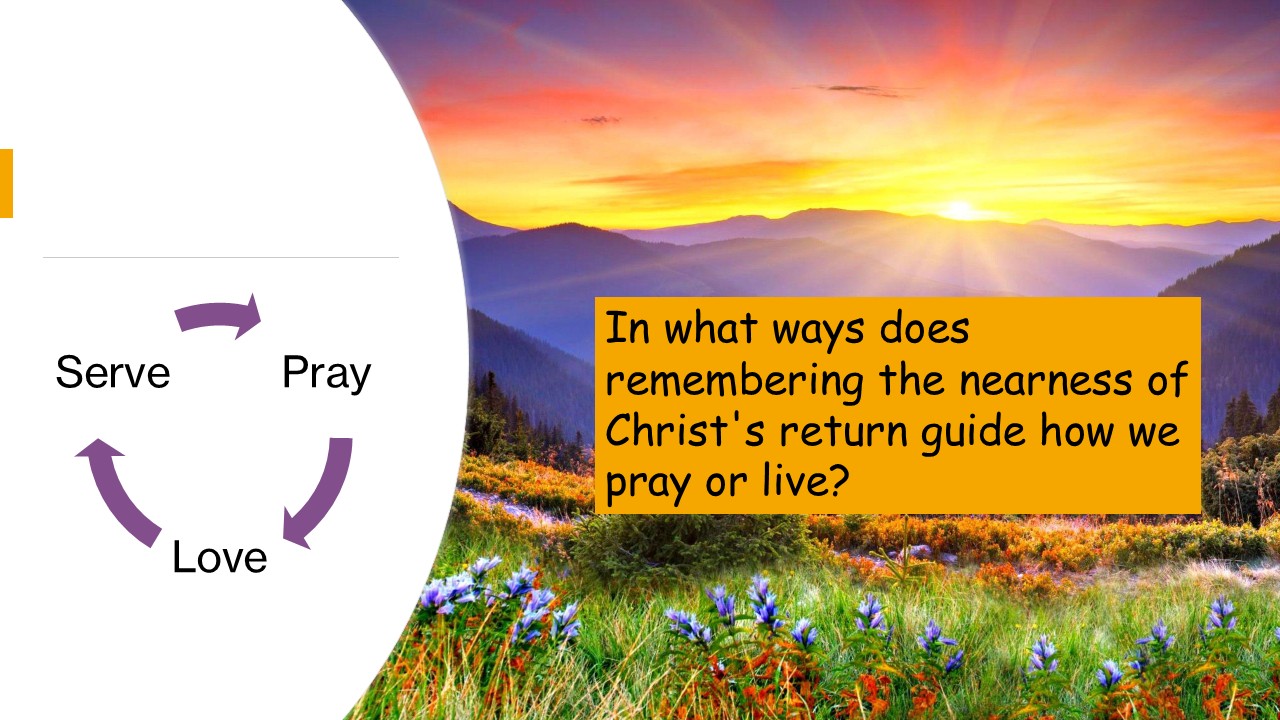
Discussion Question:
In what ways does remembering the nearness of Christ’s return guide how we pray or live?
III. Above All, Love Deeply (1 Peter 4:8–9)
“Above all, love each other deeply, because love covers over a multitude of sins. Offer hospitality to one another without grumbling.”
Peter elevates love as the highest priority for believers, beginning this section with “Above all.” This is the Greek agape love – the selfless, sacrificial love that seeks the best for others regardless of personal cost. This love doesn’t depend on feelings or reciprocity; it is rooted in the character of God and is made possible by the Holy Spirit working through believers.
The phrase “love each other deeply” comes from the Greek word ektenōs, which means earnestly or fervently. It pictures a stretching or straining effort, like an athlete pushing to the limit. This love is not casual or convenient—it is active, deliberate, and persistent. Peter is calling believers to a love that stretches beyond natural ability.
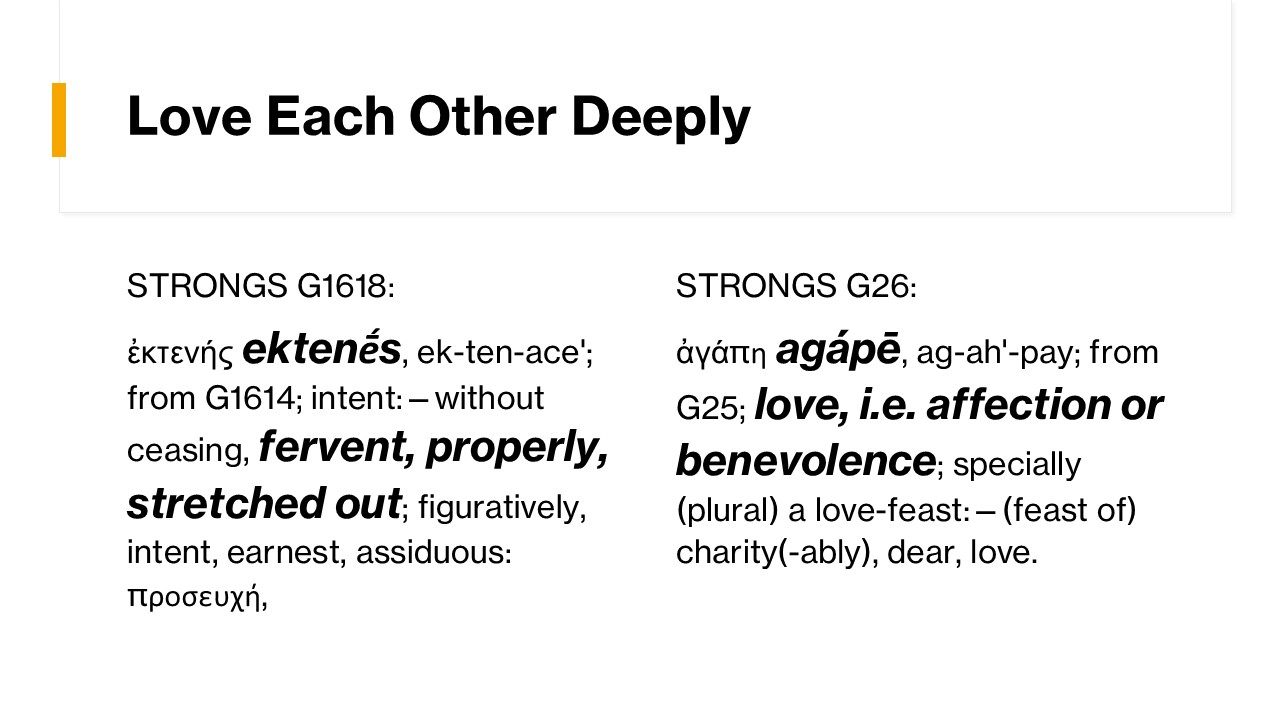
Peter then offers a powerful reason: “because love covers over a multitude of sins.” This phrase reflects Proverbs 10:12,
“Hatred stirs up conflict, but love covers over all wrongs.”
Love is not blind to sin, but it is committed to reconciliation. It is willing to forgive, to bear with the faults of others, and to choose peace over strife. This kind of love preserves unity in the body of Christ and reflects the mercy God has shown to us.
Paul echoes this same emphasis in Colossians 3:12–14:
“Therefore, as God’s chosen people, holy and dearly loved, clothe yourselves with compassion, kindness, humility, gentleness and patience. Bear with each other and forgive one another… And over all these virtues put on love, which binds them all together in perfect unity.”
Love is the glue of Christian community. Without it, our virtues unravel into self-righteousness or cold duty. With it, even our imperfections are met with grace.
Peter then adds a practical outworking of love: “Offer hospitality to one another without grumbling.” In the first-century church, hospitality was a crucial ministry. Traveling believers and persecuted Christians often depended on the generosity of others for shelter and provision. Hospitality was more than entertaining guests; it was opening one’s life to meet the needs of others. And Peter reminds us that attitude matters. It is not hospitality if it comes with complaint.
Today, hospitality might mean welcoming someone into your home or making time in your schedule for someone who needs encouragement. True hospitality reflects a heart of love, not obligation. It serves others not because they deserve it, but because Christ served us first.
Discussion Question:
What does “agapē love” look like to you? Can you think of a time someone showed agapē love to you? How does agapē love help maintain unity when offenses occur?
IV. Use Your Gifts to Serve Others (1 Peter 4:10)
1 Peter 4:10 — Faithful Stewardship
As each one has received a gift, minister it to one another, as good stewards of the manifold grace of God.
Every believer is gifted, and Peter makes it clear that these gifts come from the grace of God. They are not something we earn or achieve, but something we receive. As such, they carry a sacred responsibility. The phrase “faithful stewards” (Greek: oikonomoi) refers to caretakers or managers who have been entrusted with something valuable that belongs to someone else.
Paul emphasizes this same idea in 1 Corinthians 4:2:
“Moreover it is required in stewards that one be found faithful.”
Our gifts are given to use so that we may use it for Him, and we are accountable to Him for how we use them. Faithfulness, not success by human standards, is the measure of a good steward. Jesus also emphasized the faithfulness of stewards in Luke 12:42-44:
“Who then is the faithful and wise manager, whom the master puts in charge of his servants to give them their food allowance at the proper time? Blessed is that servant whom his master finds doing so when he returns.”
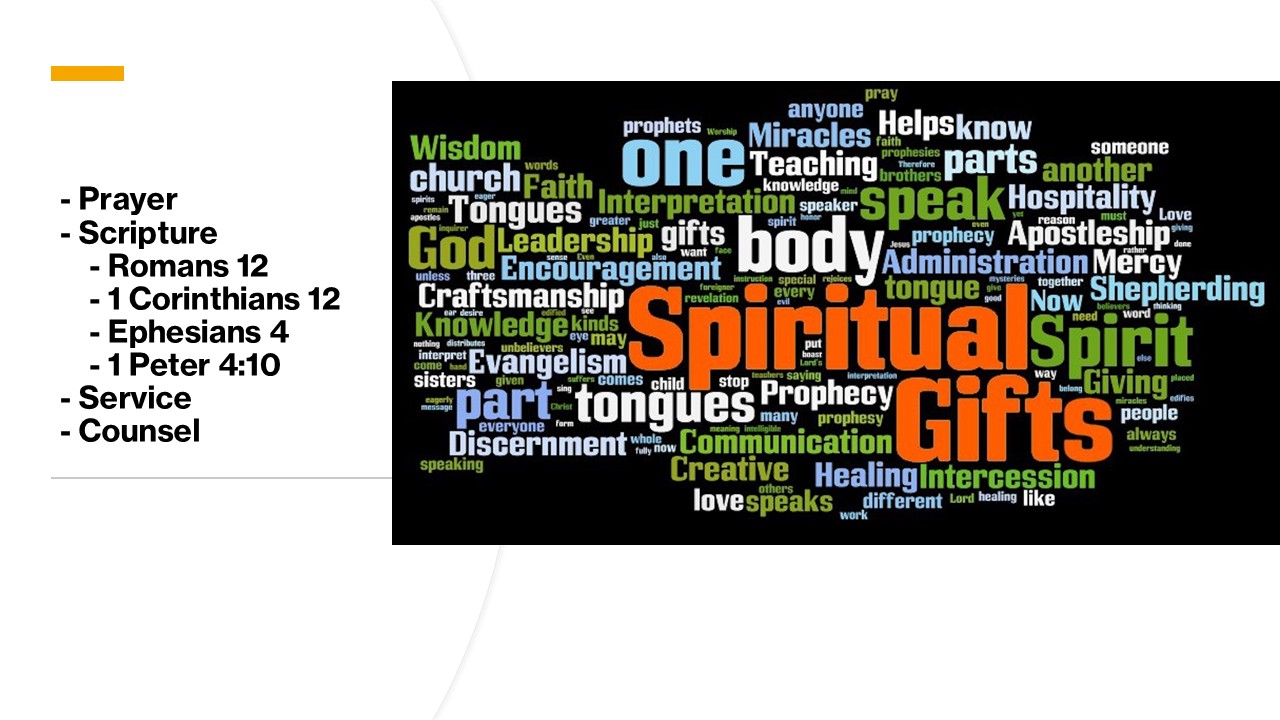
What are spiritual gifts each of us has received? Spiritual gifts are special abilities given by the Holy Spirit to every believer for the purpose of building up the Church and glorifying God. They include gifts like teaching, serving, encouragement, giving, leadership, mercy, hospitality, administration, discernment, and helps. These gifts are not merely natural talents, though sometimes they may overlap. Spiritual gifts are supernatural enablings given specifically for ministry work.
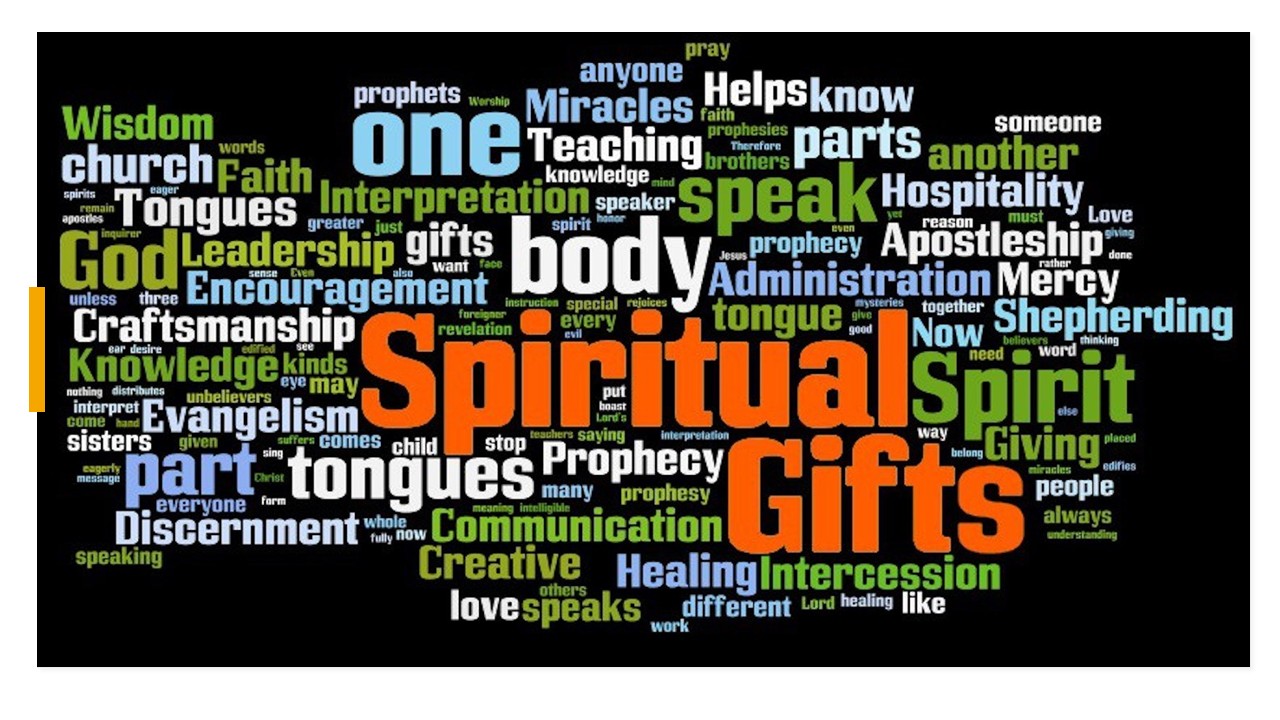
Paul describes spiritual gifts in Romans 12:6-8:
“We have different gifts, according to the grace given to each of us. If your gift is prophesying, then prophesy in accordance with your faith; if it is serving, then serve; if it is teaching, then teach; if it is to encourage, then give encouragement; if it is giving, then give generously; if it is to lead, do it diligently; if it is to show mercy, do it cheerfully.”

He also highlights the diversity of gifts in 1 Corinthians 12:4-6:
“There are different kinds of gifts, but the same Spirit distributes them. There are different kinds of service, but the same Lord. There are different kinds of working, but in all of them and in everyone it is the same God at work.”

How do you find your spiritual gifts?
- Prayer: Ask God to reveal how He has uniquely equipped you.
- Scripture: Study what the Bible says about spiritual gifts (Romans 12, 1 Corinthians 12, Ephesians 4).
- Service: Gifts are often discovered through faithful service. As you serve, you will notice where you are fruitful and where others affirm your impact.
- Counsel: Mature believers and mentors can often help identify your gifts by observing how God uses you.
Remember, the purpose of these gifts is not personal achievement or status, but to serve others and glorify Christ. As Peter emphasizes, we are “faithful stewards of God’s grace.” Every gift, whether public or behind-the-scenes, is vital to the health of the body of Christ. No gift is superior to another; all are necessary, and all must be used in love (1 Corinthians 13).
Discussion Question:
What has God entrusted to you, and what does faithful stewardship look like in your current season of life?
V. Speak and Serve by the Strength God Provides (1 Peter 4:11)
1 Peter 4:11 — Speaking and Serving by the Spirit
“If anyone speaks, they should do so as one who speaks the very words of God. If anyone serves, they should do so with the strength God provides, so that in all things God may be praised through Jesus Christ. To him be the glory and the power forever and ever. Amen.”
Peter now outlines two broad categories of spiritual gifts: speaking and serving. Speaking includes teaching, preaching, exhortation, and encouragement—anything that uses words to build up the body of Christ. Those who speak must do so with the seriousness and reverence that comes from recognizing they are speaking as representatives of God. Their words should be true, edifying, and aligned with Scripture.
James warns in James 3:1 in what personally is the most scary piece of scripture:
“Not many of you should become teachers, my fellow believers, because you know that we who teach will be judged more strictly.”

This highlights the heavy responsibility of speaking for God. Those entrusted with speaking ministries must approach their role with humility, prayer, and a deep commitment to scriptural truth. Paul adds in 2 Timothy 2:15:
“Do your best to present yourself to God as one approved, a worker who does not need to be ashamed and who correctly handles the word of truth.”

Serving includes acts of mercy, generosity, administration, helps, and hospitality. Those who serve must rely not on their own strength but on God’s provision. The Greek word for “strength” here implies an ongoing empowerment—God continually supplies what we need when we commit to use our gifts for His purposes.
Paul reflects a similar thought in Colossians 1:29:
“To this end I strenuously contend with all the energy Christ so powerfully works in me.”

Serving with God’s strength ensures that ministry does not become a burden carried in human effort, but a joyful work empowered by divine strength. Zechariah 4:6 reminds us:
“‘Not by might nor by power, but by my Spirit,’ says the LORD Almighty.”

The purpose of both types of gifts is not self-promotion or admiration but praise: “so that in all things God may be praised through Jesus Christ.” The glory belongs to God alone. John the Baptist’s words in John 3:30 capture this heart perfectly:
“He must increase, but I must decrease.”

Both speaking and serving ultimately direct attention away from ourselves and toward Christ.
Peter’s emphasis on “all things” reminds us that speaking and serving are not competing roles but complementary ministries. Paul teaches in Ephesians 4:15-16:
“Speaking the truth in love, we are to grow up in every way into him who is the head, into Christ. From him the whole body, joined and held together by every supporting ligament, grows and builds itself up in love, as each part does its work.”

Both speaking and serving are essential to the healthy growth and unity of the body of Christ.
Finally, Peter concludes this verse with a doxology, a spontaneous outburst of worship: “To him be the glory and the power forever and ever. Amen.” This reflects a common biblical pattern, such as Paul’s in Romans 11:36:
“For from him and through him and for him are all things. To him be the glory forever! Amen.”

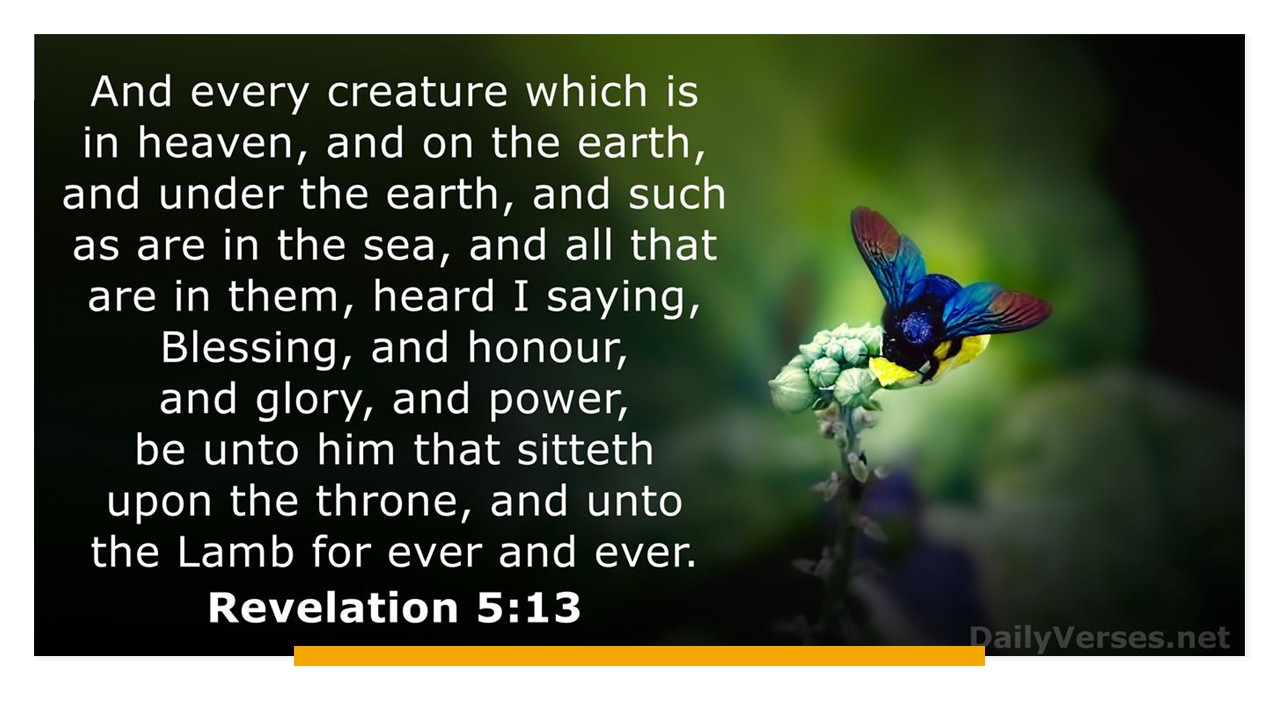
From creation to eternity, glorifying God has been humanity’s ultimate purpose. Revelation 5:13 offers a glimpse of the eternal worship to come:
“Then I heard every creature in heaven and on earth and under the earth and on the sea, and all that is in them, saying: ‘To him who sits on the throne and to the Lamb be praise and honor and glory and power, forever and ever!’”
Even small, unseen acts of service are part of this eternal story. Jesus affirms in Matthew 10:42:
“And if anyone gives even a cup of cold water to one of these little ones who is my disciple, truly I tell you, that person will certainly not lose their reward.”

Every faithful act, no matter how humble, carries eternal significance.
Discussion Question:
How can you better rely on the Spirit’s strength in your speaking or serving gifts to bring glory to God?
VI. Conclusion
In this short but powerful passage, Peter offers clear and compelling guidance on how to live faithfully in the last days:
- Pray Alertly: Stay spiritually awake and connected to God through sober-minded prayer.
- Love Deeply: Extend agapē love earnestly, covering offenses and building unity.
- Serve Faithfully: Steward your spiritual gifts to glorify Christ, not self.
This is not just a moral checklist—it is a spiritual vision for life in Christ. Each of these commands points us back to the heart of the gospel. We pray because we depend on God. We love because we have been loved. We serve because Christ first served us.
The time is short, but the opportunities are great. We don’t know how much time we have, but we know what we’re called to do: to love one another, serve one another, and glorify God in all things. May every word we speak and every act of love we perform be a testimony to God’s grace at work in us.
As 1 Peter 4:7-11 concludes,
“To him be the glory and the power forever and ever. Amen.”

 Chasing the Wind
Leave a comment