
I. Introduction
When we put our trust in Jesus, God offers His forgiveness to us, and we should feel the same way toward ourselves and to others. Today we’re going to study Psalm 32 and experience God’s forgiveness toward us.
Forgiveness is both simple and complex. It’s simple in that God offers it freely through Jesus Christ. It’s complex because our emotions, our pride, and our sense of justice often resist it. Psalm 32 is David’s testimony of the joy that comes from forgiveness—and the misery of unconfessed sin. This is the same forgiveness Christ demonstrated on the cross when He prayed, “Father, forgive them, for they know not what they do” (Luke 23:34).
But first, a tragic but true story.
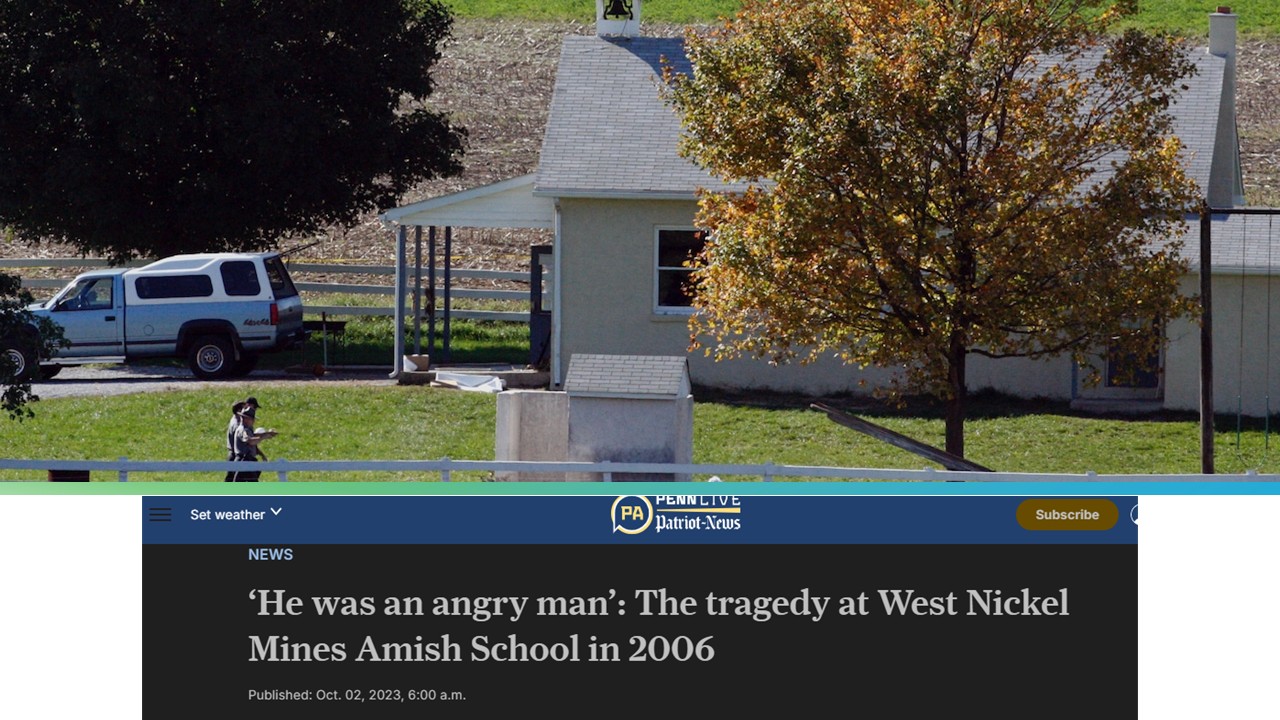
Charles Roberts was a troubled man. On the morning of October 2, 2006, at 8:45am, Charles and his wife walked their three children to the school bus stop. When Mrs. Roberts returned home a little before 11:00am, she discovered her husband had written four suicide notes, one each for her and their three children.
Charles continued to his job as a milk truck driver. At 10:25am, Charles entered the West Nickel Mines School, a one-room Amish schoolhouse in Lancaster Pennsylvania. Charles ordered a pregnant woman, three parents with infants, and all the male students to leave. The female students, young girls aged 6-13, were lined up against a chalkboard. Charles barricaded the front door, and then bound the arms and legs of the girls with plastic ties.
At 11:07am, Charles began shooting the schoolgirls. Charles Roberts shot and killed five girls aged 6-13 and seriously wounded 5 others before killing himself. Of those 5 wounded, 4 have made significant recovery, though the youngest, 6 year old Rosanna King, has serious brain injuries. She does not walk or talk and is confined to a wheelchair, although family members say she recognizes them and frequently smiles.
What motivated Charles Roberts that morning will never be fully known, but clues may be found in his suicide letters. He confessed in his letter to his wife that he had molested two young female relatives, aged 3 and 5, twenty years prior. He had been having dreams of molesting again. He also indicated despondency over the death of a daughter nine years earlier who had died twenty minutes after childbirth. Pennsylvania State Police Commissioner Col. Jeffrey Miller said, “He was an angry man – angry with life, angry at God.”
You might remember this news story twenty years ago. The Amish community, struck by this horrific tragedy, were quick and ample with their forgiveness. An Amish neighbor visited Mrs. Roberts within hours of the shooting to comfort and extend forgiveness. On the day of the shooting, the Amish grandfather of one of the victims was reminding Amish leaders not to think evil of the shooter, and one father said, “He had a mother and a wife and a soul, and now he’s standing before a just God.” Many Amish community members visited Charles Roberts family, his parents, and his parents-in-law. Charles Roberts’ father broke down in tears at his son’s death, and an Amish man held him in his arms for an hour to offer comfort. Thirty members of the Amish community attended the funeral of Charles Roberts and established a charitable fund for the family of the shooter. Charles Roberts so desperately needed forgiveness; the Amish community so beautifully demonstrated what forgiveness is.

A more recent story we will not forget is Erika Kirk and the celebration and memorial for Charlie Kirk of Turning Point USA, killed by a sniper at the age of 31. One may be excused for thinking Erik might call for the death penalty for the killer, or for Charlie’s supporters to rise up in protest. Instead, this is what she said,
That young man, that young man on the cross, our Savior said, “I forgive them for they know not what they do.” That man, that young man, I forgive him. I forgive him for they know not what they do. I forgive him because it was what Christ did and is what Charlie would do. The answer to hate is not hate. The answer we know from the Gospel is love and always love. Love for our enemies and love for those who persecute us.
So, what is forgiveness? It’s important to clarify what forgiveness is not, and I have a pretty long list of what forgiveness is not.
- Forgiveness is not ignorance—it doesn’t mean pretending something harmful, like abuse, is acceptable.
- Forgiveness is not concealment, covering up wrongdoing or saying, “It’s fine, you didn’t do anything wrong.”
- Forgiveness is not denial, ignoring the pain or pretending you weren’t hurt.
- Forgiveness is certainly not acceptance, allowing the same destructive behavior to continue unchecked.
- Forgiveness is not excusing, minimizing the offense as if it didn’t matter.
- Forgiveness is not enabling, tolerating harmful patterns without boundaries.
- Forgiveness is not forgetting, as if the offense should be erased from memory.
- Forgiveness is not reconciliation. While forgiveness can lead to reconciliation, they are not the same. Forgiveness is unilateral; reconciliation is mutual. (Romans 12:18 — “If it is possible, as far as it depends on you, live at peace with everyone”).
- Forgiveness is not justice, which still has its place even when forgiveness is offered. (Romans 12:19 — “Do not take revenge… It is mine to avenge; I will repay,” says the Lord).

True Christian forgiveness faces the truth, releases the offender from personal vengeance, and entrusts justice to God.
So, I ask again, what is forgiveness? A Christian definition could be that I give up my right to hurt you for hurting me. After forgiveness, we do not use the hurt to hurt them back. The Amish made headlines for portraying forgiveness not only for how thorough they were, going out of their way to bless those involved in their hurt, but also for how instantaneous it was.
We know, as Christians, that we are to forgive others, but we want to nurture the pain a little bit, perhaps hold a grudge for a while. A good friend of mine describes it as a stone of resentment that we take out once in a while and polish it until we get that grudge just the way we like it. A mean word means we stay mad at them for a day before we forgive them. A serious breach may take years before we’re ready to forgive. But forgiveness is a choice, not a feeling. And while we may struggle to forgive others, sometimes it’s harder to forgive ourselves. Charles Roberts was a man in need of forgiveness from his past sins. So are we.
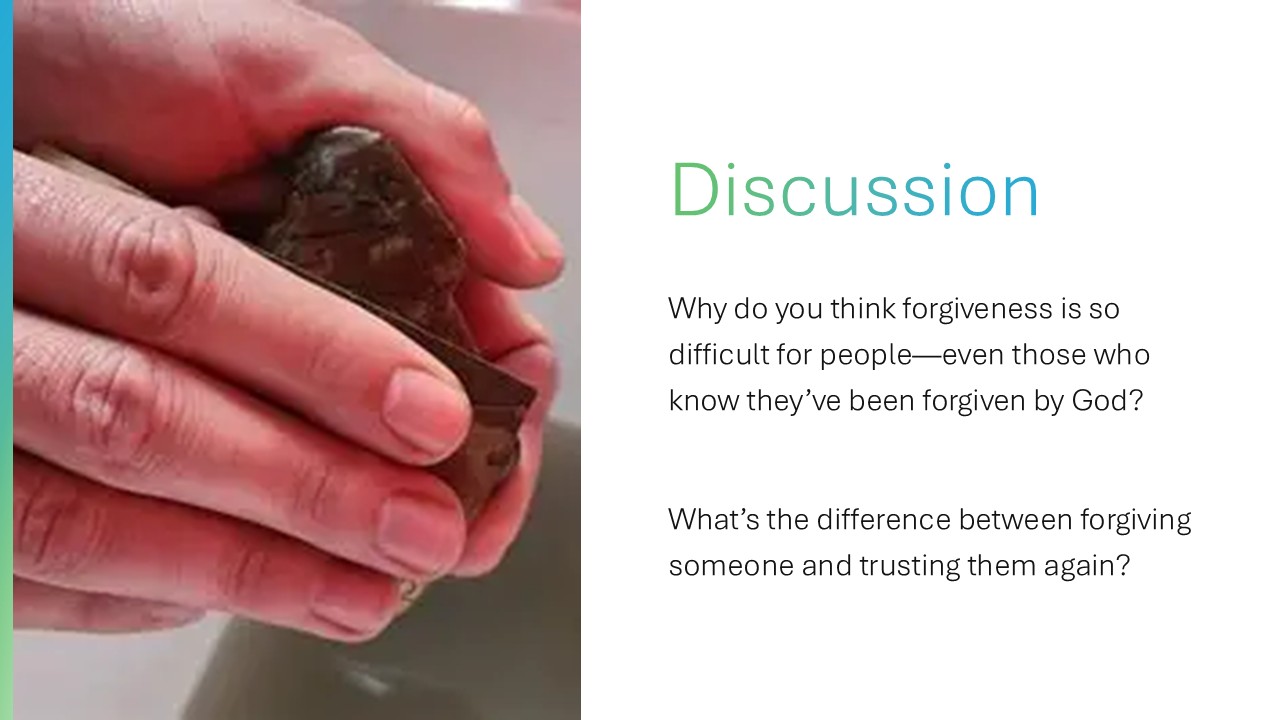
Discussion: Why do you think forgiveness is so difficult for people—even those who know they’ve been forgiven by God? What’s the difference between forgiving someone and trusting them again?
II. Psalm 32:1-4, Blessed by Forgiveness
Psalm 32 teaches us how we receive forgiveness from God.
Blessed is he whose transgressions are forgiven,
whose sins are covered.

Blessed is the man whose sin the LORD does not count against him
and in whose spirit is no deceit.

When I kept silent, my bones wasted away
through my groaning all day long.

For day and night your hand was heavy upon me;
my strength was sapped as in the heat of summer.

Selah
Psalm 32 begins by reminding us how blessed we are by the forgiveness from God. Sometimes translated “Happy is he,” the Hebrew word ashrei means more than “happy”—it’s a deep, enduring joy and peace that come from being right with God. This joy is rooted in divine approval, not circumstances.
But before blessing comes burden. David remembers the misery of unconfessed sin: spiritual dryness, emotional heaviness, even physical weariness. Romans 4:6–8 quotes this Psalm to show that justification—being declared righteous—comes by faith, not works.
One of the things we must come to grips with as believers in Christ is that we are sinners in need of forgiveness. We do not put God as a priority in our life as we should, we put ourselves first in front of God and others, we are judgmental of others, we hold grudges, we lie to protect ourselves, we have many, many ways we sin. If God forgave us as we forgive, first God would punish us. He’d say, “I’m not speaking to you. I need time before I’m ready to forgive you.” But thankfully, he doesn’t do that. Romans 5:8 says, ” God demonstrates his own love for us in this: While we were still sinners, Christ died for us.” Imagine the difficulty of experiencing Christ’s love if that we had to be perfect first. God always moves toward us before we move toward Him.
As Christians, we experience Christ’s love long before we deserve it. God calls us to confess our sins to Him—not because He is unaware of them, but because confession brings us face-to-face with the reality of our own hearts. It is through confession that the Holy Spirit works within us, revealing our hypocrisies and sin patterns, even those we try to keep hidden from ourselves. Psalm 139:23–24 says,
"Search me, O God, and know my heart."
2 Corinthians 13:5 adds,
"Examine yourselves as to whether you are in the faith. Test yourselves."
These are active invitations for God to expose what we might otherwise ignore.
None of us is perfect or consistently upholding God’s will without fault. Yet pride, shame, and fear of consequences often tempt us to hide sin. Hiding from God is not only futile, it deepens the burden we carry. Psalm 139:7–8 ,
Where can I go from your Spirit?
    Where can I flee from your presence?
If I go up to the heavens, you are there;
    if I make my bed in the depths, you are there.
reminds us there is nowhere we can go to escape His presence, which means our best hope is to bring everything into the open before Him.
Discussion Question: David describes how hiding sin made him miserable. Why do people try to hide their sin—even from God?
Keeping that knowledge of our own sin to ourselves weighs heavily on us, Psalm 32:1-4 says the weight of God’s hand is heavy on us. So how do we lift His heavy hand and receive God’s blessing? The answer is verse 5.
III. Psalm 32:5, Confession to the Forgiver
Then I acknowledged my sin to you and did not cover up my iniquity.
I said, "I will confess my transgressions to the LORD"
and you forgave the guilt of my sin.

Selah
Here’s the turning point—confession. Confession isn’t informing God; it’s agreeing with Him about our sin. 1 John 1:9 assures us that when we confess, God is faithful to forgive and cleanse us. True confession names sin honestly without excuses. Our confession is tied to our relation to God.
Paul reminds us in 2 Corinthians 7:10 that there is a difference between worldly sorrow and godly sorrow:
“Godly sorrow brings repentance that leads to salvation and leaves no regret, but worldly sorrow brings death.”
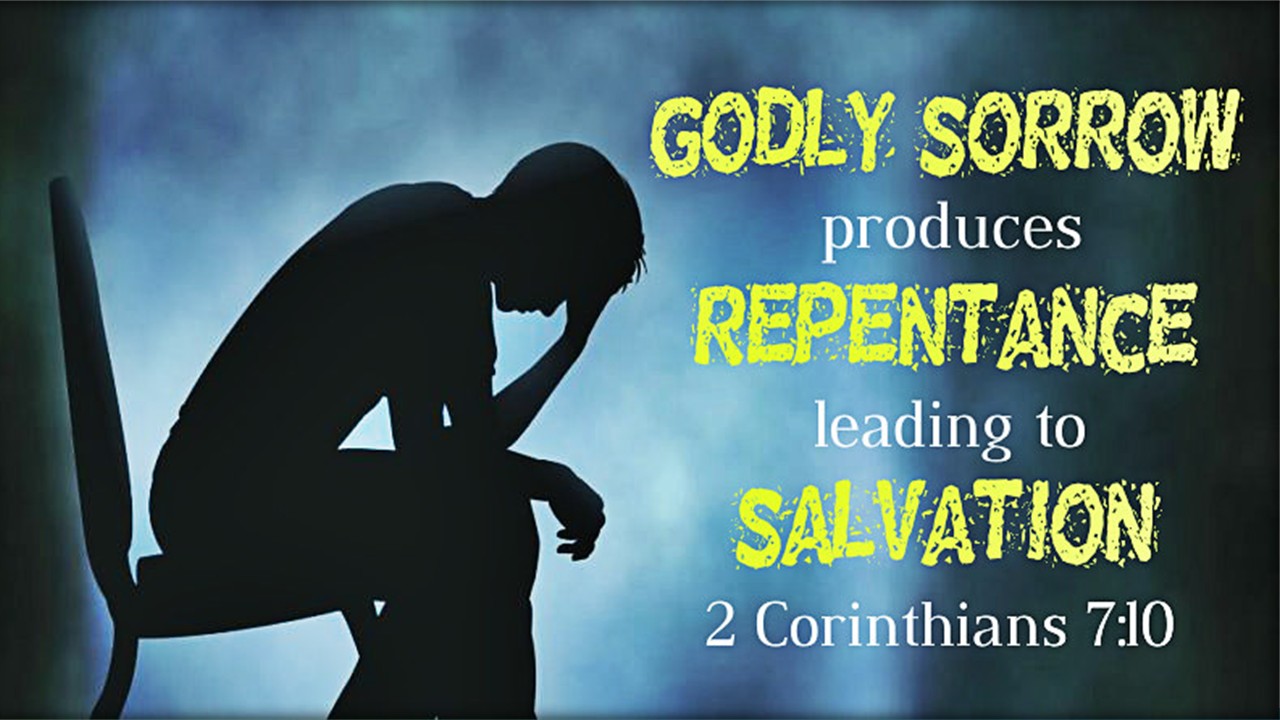
Worldly sorrow is being sorry we were caught, or sorry about the consequences, but godly sorrow is a heartfelt grief over sin that turns us back toward God. Psalm 32 describes this godly sorrow—an honest acknowledgment before the Lord that leads to forgiveness and restoration.
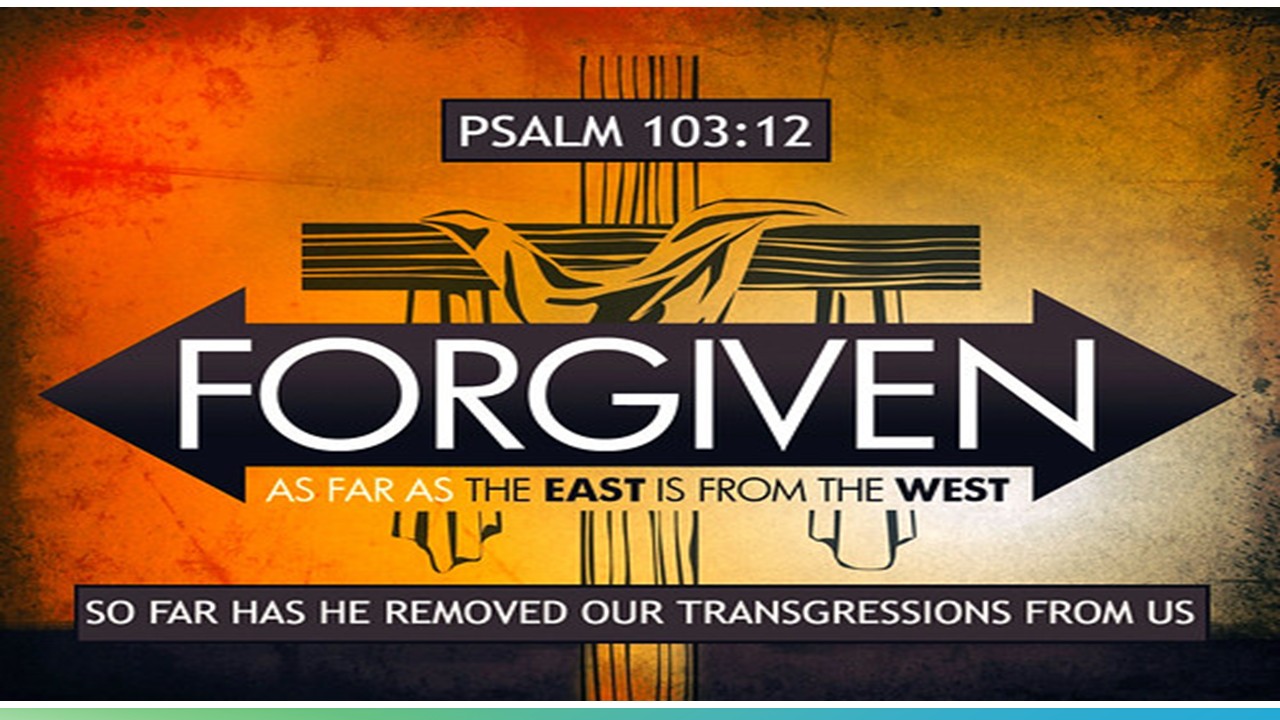
Being honest with God yields a huge benefit for us. God forgives us! And God, being a perfect and holy God, is also perfect with His forgiveness. The punishment we so deserve – which, frankly, is exclusion from His Holy presence for all eternity – is waived. God’s forgiveness is perfect and complete. Psalm 103:12 says,
"As far as the east is from the west, so far has he removed our transgressions from us."
So does God forget our sins? The idea that a perfect God could have amnesia disturbs me. I have memory problems – I remember all sorts of stupid stuff. I have goofy jokes in my head, I can remember every word to the theme song from Gilligans’s Island, both versions. The version where instead of naming the Professor and Mary Ann they say “And the rest are here on Gilligan’s Isle!” bothers me, and I wonder if the Professor and Mary Ann ever had their feelings hurt by just being called “and the rest.” But I digress. I remember stuff like that, and then I forget stupid stuff, too.
One of my common forgetfulness happens nearly every morning in the shower. Did I shampoo my hair today? I remember shampooing my hair, but I can’t remember if that was this morning or some other morning I remember. I almost always play it safe, and as soon as I start the second shampoo, I can tell immediately if my hair was already clean. But every once in a while, I convince myself that I should *not* shampoo my hair a second time. And several hours later, I can tell. I didn’t shampoo my hair today. But I can remember Gilligan’s Island theme song. Very useful.
God does not forget our sins. God chooses never to recall our sins against us. It’s not memory failure—it’s mercy. If God no longer brings our forgiven sins up to condemn us, we must stop condemning ourselves.
He is perfect, and my forgetfulness is demonstration of imperfection. Hebrews 10:17 says “Their sins and lawless acts I will remember no more.” Isaiah 43:25 reinforces this truth: when God says He remembers sins no more, it is a covenant promise not to bring them up against us, not literal amnesia.
If we want to follow God’s example, we should be quick to forgive others, and remember no more those actions that hurt us. And perhaps just as important, we should also experience God’s forgiveness. If we have confessed our transgressions to God, He remembers no more and will not bring it up to punish us. So, too, we should also take those confessed sins and stop using them to punish ourselves.
Discussion Question: What changes in us when we stop hiding sin and confess it honestly to God? Why does God ask us to confess when He already knows everything?
Let’s look at the benefits of confession in verses 6& 7.
IV. Psalm 32:6-7, Benefits of Confession
Therefore let everyone who is godly pray to you while you may be found;
surely when the mighty waters rise, they will not reach him.

You are my hiding place; you will protect me from trouble
and surround me with songs of deliverance.

Selah
We find favor with God when we allow Him to search us. Knowing we are in God’s favor gives us comfort that we are His loved children and that our protective Father is watching out for us. Confessing our sins gives us strength to resist or flee from sins, and therefore we are protected by God from the repercussions of our sins.
The “mighty waters” often symbolize chaos, judgment, or calamity in Scripture (see Isaiah 43:2 and Psalm 69:1-2). For the unrepentant, these waters represent overwhelming danger and separation from God, but for the repentant, they are powerless to destroy. Confession brings not only emotional relief but also confidence and security in our standing with God.
Unconfessed sins allows us to lie to ourselves that perhaps they aren’t sins, or that our sins aren’t too bad or perhaps we deserve to sin because we are so good or somebody else is bad. Psalm 32 tells us that confessed sins enabled us to hide in God and be protected, while unconfessed sins, too, cause God to work in our lives in ways that are uncomfortable.
David calls God his hiding place. When we sin, our instinct is to hide from God, like Adam and Eve. David learned we’re safest when we hide in God.
Forgiven people can face life’s storms without fear of God’s wrath. His protection is not the absence of trouble but His presence in it.
Discussion Question: Psalm 32 calls God our “hiding place.”
When life gets difficult, where do people tend to hide instead? What difference does it make when we hide in God?
Look at the rest of this Psalm.
V. Psalm 32:8-11, The Rejoicing of the Righteous
I will instruct you and teach you in the way you should go;
I will counsel you and watch over you.

Do not be like the horse or the mule, which have no understanding
but must be controlled by bit and bridle or they will not come to you.

Many are the woes of the wicked, but the LORD's unfailing love
surrounds the man who trusts in him.

Rejoice in the LORD and be glad, you righteous;
sing, all you who are upright in heart!
When we do not confess our sins, we are doomed to repeat them. Eventually, we will be taught by our sins. God can either teach us through our obedience, or He will teach us as a mule is taught—with a bit and bridle. The bit and bridle image speaks of external force and control; God’s preference is to guide us through trust, love, and our willing responsiveness to His Word. If we resist, He will still lead us, but it may be through necessary discipline rather than gentle direction.
Hebrews 12:6 reminds us that God’s discipline is proof of His love. Those who submit to His guidance experience growth, maturity, and peace. Just as a loving parent disciplines a child for the child’s good, God trains us so we can share in His holiness.

That way of resisting God leads to unhappiness, as the wicked are unhappy being outside of the will of God. But those who confess their sins to the Lord are free of the bondage of sins and have reason to rejoice.
Discussion Question: God says He remembers our sins no more. How does that change the way we treat people who have wronged us?
VI. Conclusion
There are many reasons for us to forgive others and for us to experience forgiveness. We forgive others in obedience; in Matthew 6:14-15, Jesus says,
” For if you forgive men when they sin against you, your heavenly Father will also forgive you. But if you do not forgive men their sins, your Father will not forgive your sins.”
This is not teaching salvation by works. Rather, an unwillingness to forgive reveals a heart that may not have grasped the depth of God’s mercy.
We also forgive others to gain control over our own hurt emotions; In Genesis 4, Cain was so hurt that he let his emotions lead him into killing his brother Abel. Ephesians 4:26-27 says that unaddressed anger can lead to sin,
“In your anger do not sin”: Do not let the sun go down while you are still angry, and do not give the devil a foothold.

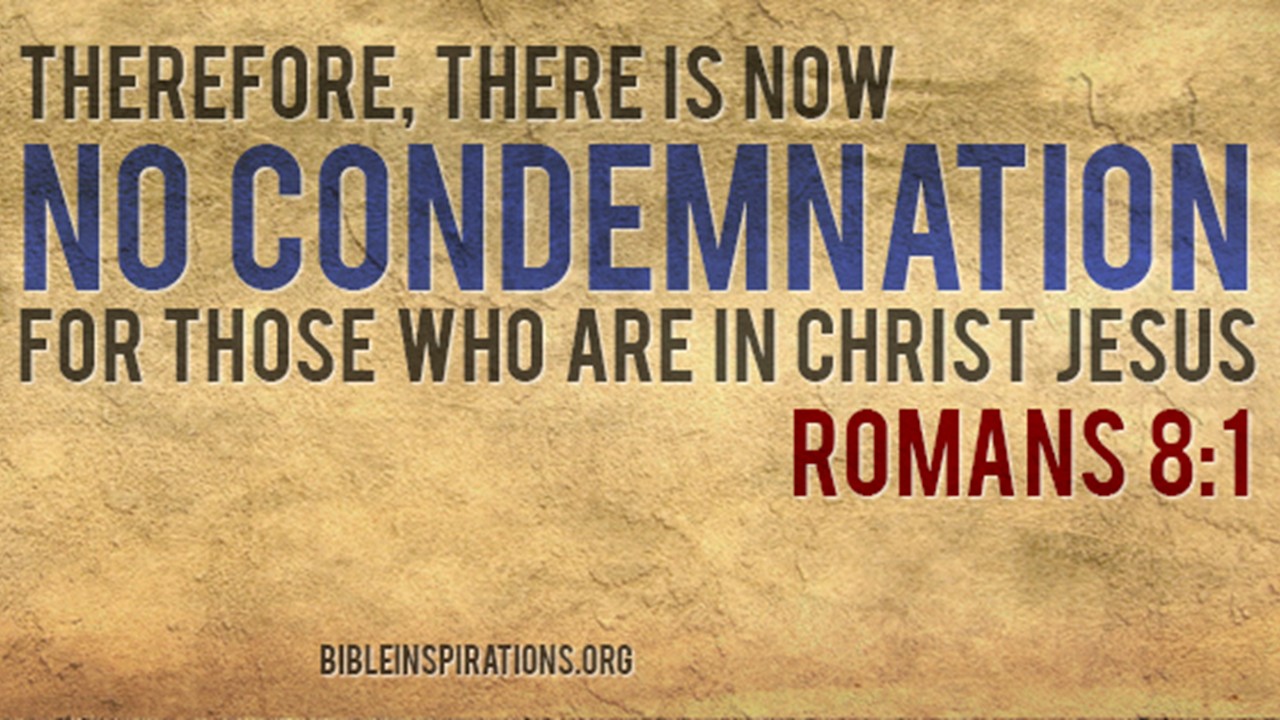
But most of all, we practice forgiveness to experience God’s forgiveness. Confess quickly, forgive freely, rejoice continually. Romans 8:1 declares:
“There is now no condemnation for those who are in Christ Jesus.”
We are blessed. We are safe in His hiding place. We are forgiven. So let us also forgive, just as God in Christ has forgiven us.
To God be the Glory

 Chasing the Wind
Leave a comment