
I. Introduction
1 Peter 1:13–16 is a cornerstone passage that underscores our call to holiness as followers of Christ. In the first twelve verses of chapter 1, Peter celebrates the wonder of our salvation, praising God for the living hope we have through the resurrection of Jesus Christ. Then, in verses 13–16, he transitions from teaching about our glorious inheritance to practical guidance, living a life that reflects our glorious inheritance. Peter gives us instructions on how we should shape our mind, handle our conduct, and grow closer to God. In other words, “How then shall we live?”
II. Gird Your Minds
“Therefore, preparing your minds for action, and being sober-minded, set your hope fully on the grace that will be brought to you at the revelation of Jesus Christ.”
Peter begins with the word “Therefore,” and I’m sure you’ve heard this before, but anytime we see a “therefore,” we should ask what it’s there for. Peter is signaling that what he is about to say builds on the previous twelve verses about our new birth and heavenly inheritance. The Greek phrase often translated “preparing your minds for action” literally refers to “girding up the loins of your mind.” The ancient Greeks, they often wore long garments and would gather them around their waist with a belt before running or working. By using this metaphor for our thoughts, Peter is showing that our mindset should be unhindered and ready for spiritual engagement.

Romans 12:2 also counsels us to avoid being conformed to the world by renewing our minds. The spiritual fight for each one of us is won or lost in the mind. When our thought life remains scattered or entangled in worldly anxieties, it becomes difficult to focus on holiness. Holiness itself can be understood as the state of being set apart—fully devoted to God in heart, mind, and actions—marked by moral purity, love, and reverence for God’s glory. Hence, we are encouraged to cultivate mental discipline and spiritual vigilance, especially when cultural pressures or personal struggles arise, so we can maintain the focus necessary to reflect God’s holiness in every facet of life.
Peter pairs mental preparedness with the command to “be sober-minded.” This phrase extends beyond merely refraining from physical drunkenness; it includes cultivating a calm, balanced outlook on life. A sober mind is not swayed by every emotional wave or sensational idea. Such steadiness is crucial in a world brimming with distractions—whether in media, societal norms, or our own fluctuating emotions. If we stay grounded in God’s promises, we are less likely to be blown off course by fear or temptation.
We also see similar exhortations in passages like 1 Thessalonians 5:6–8, where believers are instructed to remain alert and sober in anticipation of the Lord’s return. This harmony of Scripture points to a consistent biblical pattern: God wants us to be clearheaded so we can discern His will and stand firm against spiritual opposition.
Peter concludes verse 13 by urging us to “set [our] hope fully on the grace that will be brought to [us] at the revelation of Jesus Christ.” The Greek word for “fully” (τελείως, teleiōs) emphasizes completeness and wholeheartedness. Rather than hoping partially or hesitantly, we are to place our full confidence in the future grace awaiting us. This perspective shapes how we handle current difficulties.
When we know Christ will ultimately be revealed in glory, our short-term trials pale in comparison to the eternal reality. Hebrews 12:2 says,
looking only at Jesus, the originator and perfecter of the faith, who for the joy set before Him endured the cross, despising the shame, and has sat down at the right hand of the throne of God.

This reminds us that Jesus Himself endured the cross for the joy set before Him. In the same way, placing our hope fully on Christ’s return strengthens us to endure hardship and bolsters our commitment to holiness.
Discussion: How do you “gird up” your minds for action? Do you ever think of Jesus on the cross thinking about the “joy set before Him?”
III. Do Not Conform to Passions
“As obedient children, do not be conformed to the passions of your former ignorance.”
Peter shifts the imagery to a family context. We are addressed as “obedient children,” highlighting that our Christianity is not just a religion, it is a relationship. In Scripture, God is consistently depicted as our loving Father who guides and shapes us. Our obedience, then, emerges not from a cold legalism, but from love and reverence for the One who has adopted us into His family. As children, we aim to reflect our Father’s character in both heart and habit.
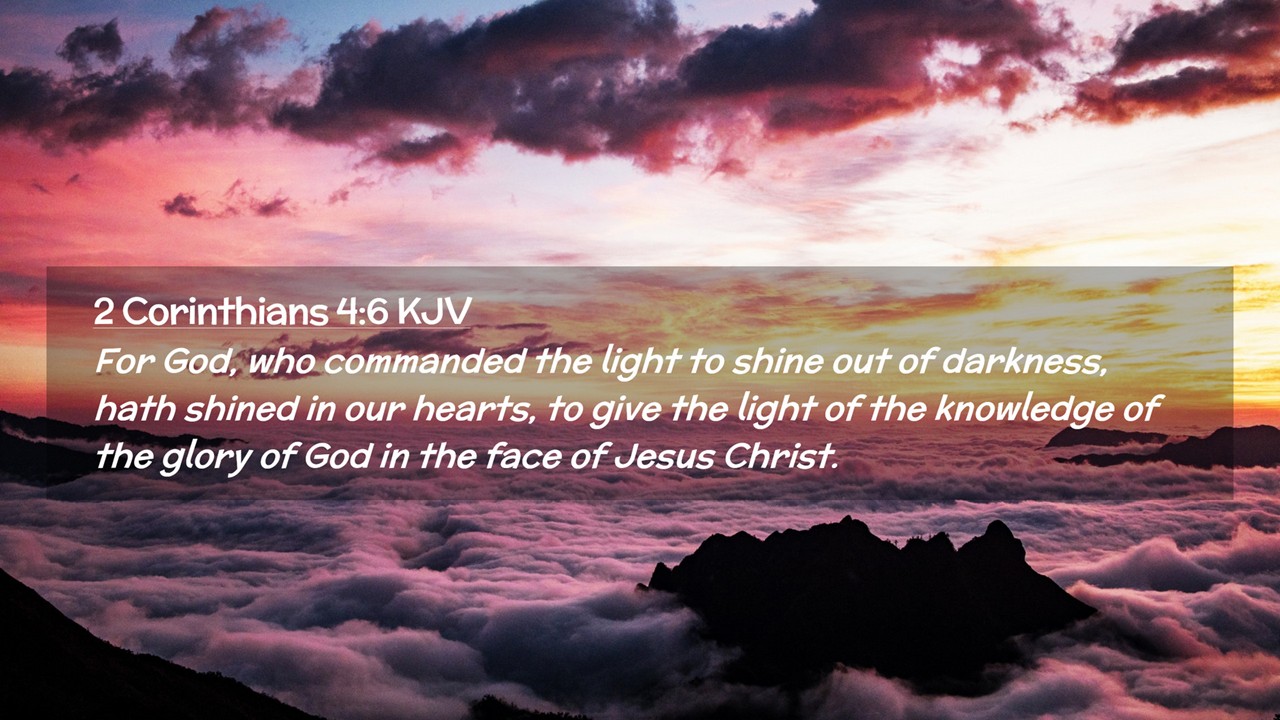
Peter also instructs us not to be conformed to the passions of our former ignorance. Before we knew Christ, we were in spiritual darkness, ignorant of God’s holiness and truth. Now, through the gospel, we have the light of Christ. 2 Corinthians 4:6 says
For God, who said, “Light shall shine out of darkness,” is the One who has shone in our hearts to give the Light of the knowledge of the glory of God in the face of Christ.
Returning to our old ways would contradict our new identity and undermine our witness.
Romans 12:2 offers a parallel principle:
“Do not be conformed to this world, but be transformed by the renewal of your mind.”

Likewise, Ephesians 4:22–24 teaches us to put off the old self, which belongs to the former manner of life, and put on the new self, created to be like God in righteousness and holiness. There is a unified biblical message: God calls us to continually resist the world and to put on the white garments of Christ Jesus.
The grammar of Peter’s warning suggests that being conformed can be an ongoing risk if we grow careless. The phrase “former ignorance” underscores that our old life was marked by a lack of spiritual understanding. But now that we are in Christ, our ignorance has been replaced by knowledge of the truth. We are empowered to make choices aligned with God’s revealed will, yet this requires vigilance and a proactive stance against sin’s attraction.
Discussion: What are some ways our old tendencies or cultural pressures try to reshape us? How do we guard against those influences?

IV. Be Holy
Verse 15,
“But as he who called you is holy, you also be holy in all your conduct.”
God’s initiative is central: He summons us out of darkness into His light. Jesus often speaks of the Father drawing people to Himself. This invitation changes both our status and our destiny. Having been called by a holy God, we naturally aspire to reflect His holiness.
The call to “be holy” signifies moral purity, otherness, and set-apartness. Holiness encompasses both separation from sin and devotion to God’s purposes. Peter further specifies that this holiness should permeate “all [our] conduct.” Holiness is not an occasional practice, not just a Sunday thing, but an all-encompassing way of life.
Holiness might be misunderstood as an aloof or legalistic concept. However, Scripture portrays it as a dynamic reflection of God’s nature. Jesus modeled perfect holiness—engaging sinners with compassion (Mark 2:15–17), living in prayerful communion with the Father (Mark 1:35), and resisting temptation (Matthew 4:1–11). Thus, to pursue holiness is to embody Christlike love, humility, and moral integrity in our everyday interactions.

We know that at the moment of salvation, we are set apart, we are saved. But we also participate in a lifelong process of being conformed to Christ’s image. Peter’s imperative “you also be holy” underscores the responsibility we carry to act on the grace given to us. This transformation is not passive; it requires our willing cooperation with the Holy Spirit, who empowers us to live in alignment with God’s will.
Discussion: What does leading a holy lifestyle in our day-to-day activities—work, family, friendships—mean to you?
V. No, Seriously. Be Holy.
Verse 16,
“Since it is written, ‘You shall be holy, for I am holy.’”
Peter concludes by quoting Leviticus (e.g., Leviticus 11:44, 19:2), reiterating God’s ancient directive: “You shall be holy, for I am holy.” God originally gave Israel dietary, ceremonial, and moral laws to mark them as distinct from surrounding nations. Though many ceremonial practices pointed forward to Christ and are no longer binding in the same form, the moral and spiritual principle of holiness remains unchanged. Our calling, like Israel’s, is to be a people set apart in a world prone to corruption.
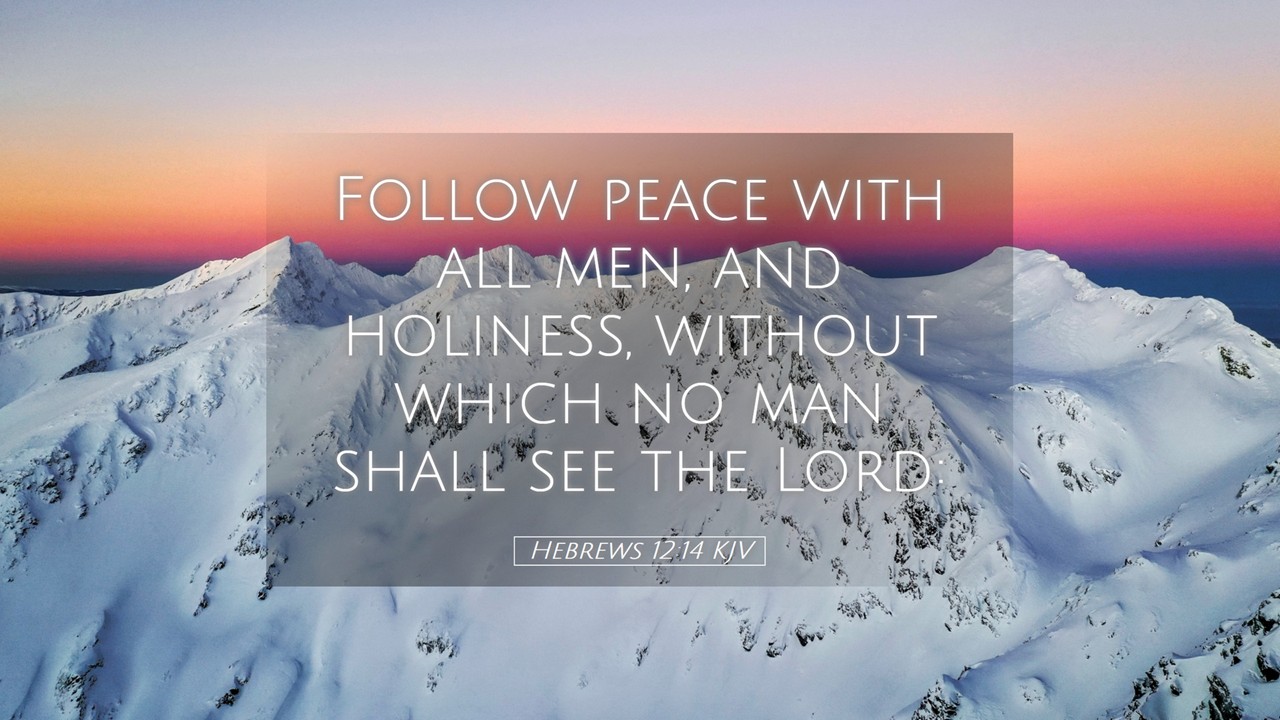
When we say God is holy, we affirm His uniqueness and His moral perfection. He is infinitely pure, untainted by sin, and exalted above creation. Because we are God’s children, we aspire to mirror that purity. Hebrews 12:14 underscores that without holiness, we will not see the Lord –
Pursue peace with all people, and the holiness without which no one will see the Lord.
Being holy, then, is not optional—it is integral to our fellowship with Him and our witness to others.
By citing Leviticus, Peter reminds us that the same God who formed Israel is the God who forms us in the New Testament era. He is the same yesterday, today and forever. We stand in continuity with His plan to have a holy people in every generation. Throughout the Bible, from Genesis to Revelation, God’s purpose is to restore us into His holy image, ultimately culminating in the new creation, a new heaven and a new earth, where righteousness dwells forever.
VI. Takeaways
Only 4 verses from Peter today, but 8 takeaways –

- Holiness as Relationship
Holiness is not merely about observing rules; it is about walking closely with a holy God who desires intimacy with us. In John 15:4–5, Jesus likens our spiritual life to branches connected to a vine. By remaining in Him, we bear fruit that reflects His nature. Holiness, then, is more than the avoidance of sin; it is an active communion with God that shapes our entire being. - The Role of the Mind and Heart
Peter emphasizes that our minds must be prepared for action and that our conduct must align with God’s holiness. These two are inseparable. Proverbs 4:23 echoes this principle: “Keep your heart with all vigilance, for from it flow the springs of life.” The transformation we experience in Christ affects everything we believe in, which in turn influences our outward behavior. - Scripture’s Unity on This Theme
Passages like 2 Corinthians 5:17 call us new creations in Christ, while Ephesians 4:22–24 urges us to put on the new self, created after the likeness of God in true righteousness and holiness. Whether penned by Peter, Paul, or other biblical authors, the consistent message is that our renewed identity must manifest in the way we think, speak, and act. - Practical Expressions of Holiness
Holiness can be visible in everyday decisions—choosing honesty at work even when deception might be profitable, extending forgiveness when bitterness seems justified, guarding our speech to build others up rather than tearing them down, or pursuing sexual purity in a culture that often trivializes it. By following these principles, we not only honor God but also provide a countercultural witness to the world that watches us. - Accountability in Community
Peter wrote this letter to scattered believers, implying that they lived in small faith communities under societal pressure. We, too, thrive in the company of fellow believers who encourage us to hold fast to God’s commands. Hebrews 10:24–25 urges us not to forsake meeting together, but to stir one another to love and good works. Holiness is nurtured and safeguarded when we have trusted brothers and sisters walking alongside us, offering prayer, counsel, and gentle correction. - Suffering and Holiness
A key theme in 1 Peter is how believers endure hardship and still maintain holy conduct. Peter links holiness with perseverance in trials, suggesting that a refined faith is both tested and proven genuine through adversity. God uses trials to spur ourr spiritual maturity. Far from suggesting our troubles will vanish, holiness equips us to face them with courage, dignity, and steadfast faith. - Joy as a Byproduct
Pursuing holiness is not grim. Rather, it leads us to deeper joy. Psalm 16:11 declares that in God’s presence there is fullness of joy. As we align ourselves in holiness, we discover the peace that transcends understanding. Sin offers only fleeting pleasures, but ultimately results in emptiness. Holiness taps us into the wellspring of God’s love and purpose, producing joy that can endure even in trials. - Eternal Perspective
Throughout these verses, Peter urges us to keep our eyes on the future grace that will be revealed at Christ’s coming. Our momentary afflictions prepare us for an eternal weight of glory. Understanding our place in God’s grand eternity propels us to live differently now. Holiness is not a burden but a privilege that allows us to participate in God’s redemptive story.
VII. Conclusion

1 Peter 1:13–16 summons us to holiness. We are children of a holy God. Peter instructs us to ready our minds, stay sober in spirit, and set our hope fully on the grace to come. He warns us not to revert to old patterns shaped by ignorance but instead to imitate God’s holiness in every part of our lives. Finally, he grounds this call in Scripture’s enduring command:
“You shall be holy, for I am holy.”
To God be the Glory, Amen.


I love this post! I recently read in Ray Stedman’s “Adventuring though the Bible” that holy actually means whole, the state of being complete. And whenever we see the word holy in the Bible, we should also read wholly. God is actually saying be whole for I am whole. God lives in harmony with himself and knows no inner conflict or turmoil. He looks at us through Jesus and says you too are whole now. This sure has revolutionized my life!
LikeLike