I. Introduction
In Ephesians 2:1-10, Paul shifts his focus from the grand scope of God’s redemptive plan for all humanity, beginning with the Jews, to the transformative experience of the individual believer. Today, we will explore past, present, and future: our past condition of spiritual death, the present reality of salvation by grace, and the future hope we possess in Christ. Through this passage, we will see how God’s mercy and grace redefine our identity and purpose.
II. Ephesians 2:1-3: The Condition of Humanity Apart from Christ
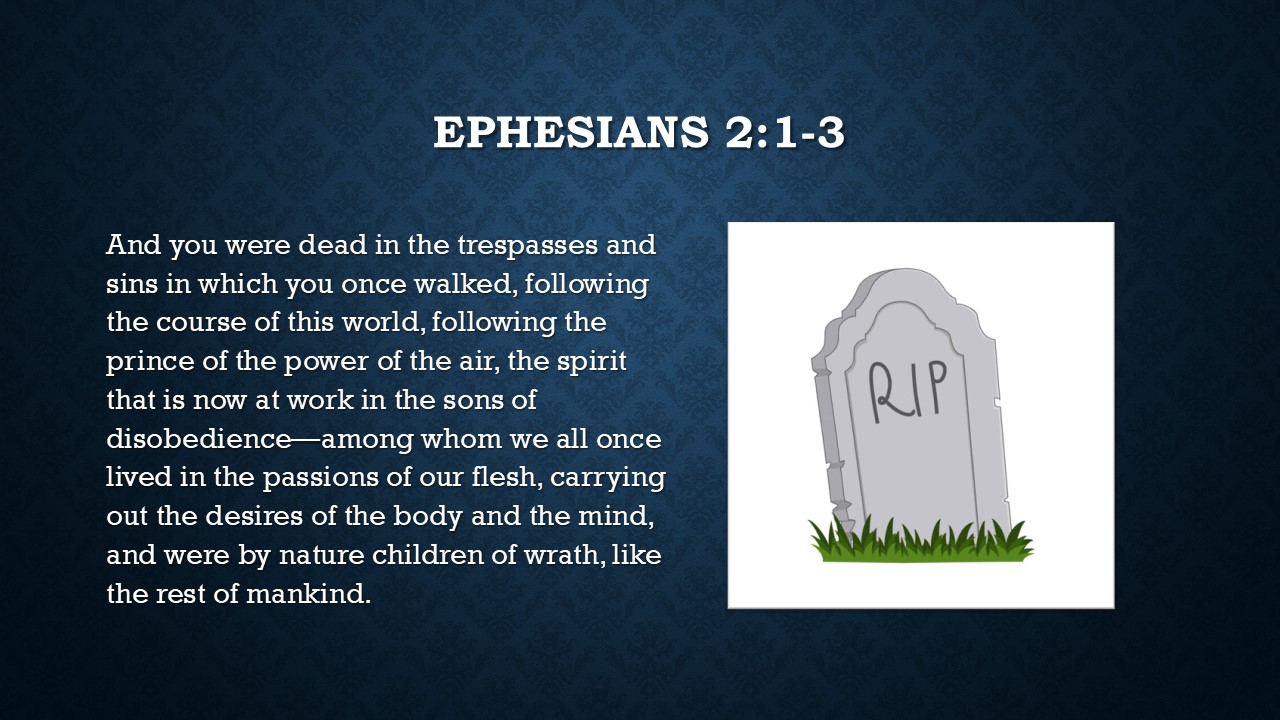
Ephesians 2:1-3,
And you were dead in the trespasses and sins in which you once walked, following the course of this world, following the prince of the power of the air, the spirit that is now at work in the sons of disobedience—among whom we all once lived in the passions of our flesh, carrying out the desires of the body and the mind, and were by nature children of wrath, like the rest of mankind.
I see 5 main points in these 3 verses –
Dead in Trespasses and Sins:
Paul begins by addressing the stark reality of our spiritual state before knowing Christ—we were “dead in the trespasses and sins.” The Greek words used here are paraptōma (παράπτωμα) for “trespasses,” meaning a lapse or deviation from truth and uprightness, and hamartia (ἁμαρτία) for “sins,” signifying missing the mark or failing to meet God’s standard. This spiritual death refers to a separation from God, rendering us incapable of responding to Him or seeking His will on our own.
This concept is reinforced in Colossians 2:13:
And you, who were dead in your trespasses and the uncircumcision of your flesh, God made alive together with him, having forgiven us all our trespasses.
Our spiritual death was a universal condition, affecting every aspect of our being and leaving us in need of divine intervention.
Following the Course of This World:
Paul notes that we “once walked” in these trespasses and sins. The term implies a habitual lifestyle or conduct. “Following the course of this world” refers to conforming to the patterns, values, and systems prevalent in society that are opposed to God’s ways. The “world” (Greek kosmos, κόσμος) here denotes the organized system under Satan’s influence, promoting values like materialism, selfishness, and moral relativism.
1 John 2:15-16 warns believers:
Do not love the world or the things in the world. If anyone loves the world, the love of the Father is not in him. For all that is in the world—the desires of the flesh and the desires of the eyes and pride of life—is not from the Father but is from the world.
There is an inherent conflict between worldly values and God’s commandments.
Following the Prince of the Power of the Air:
Paul further describes our former way of life as following “the prince of the power of the air,” a reference to Satan. The term “air” symbolizes the unseen realm where spiritual forces operate. In the ancient worldview, the air was thought to be the dwelling place of evil spirits. Satan wields significant but limited authority over the present age.
2 Corinthians 4:4 sheds light on Satan’s influence:
In their case, the god of this world has blinded the minds of the unbelievers, to keep them from seeing the light of the gospel of the glory of Christ.
This influence leads people to become “sons of disobedience,” indicating a pattern of life characterized by resistance to God’s authority.
Living in the Passions of Our Flesh:
Paul includes himself and his readers in this description, stating “among whom we all once lived.” This emphasizes the universal nature of humanity’s fallen condition—no one is exempt. The “passions of our flesh” refer to the sinful desires rooted in our fallen nature.
We were “carrying out the desires of the body and the mind,” indicating that both our actions and thoughts were corrupted. Our behavior wasn’t merely influenced by external factors; it was driven by internal desires that conflicted with God’s will. This encompasses not only physical appetites but also the intentions and reasoning of our minds that lead us away from God’s standards.
C.S. Lewis, in his book “Mere Christianity,” captures the depth of our predicament:
“Fallen man is not simply an imperfect creature who needs improvement: he is a rebel who must lay down his arms.”

Our problem is not just a matter of moral imperfection or needing minor adjustments. Instead, we are in active rebellion against God. Our sinful nature leads us to assert our own will over God’s, effectively making us adversaries of His purposes.
Our rebellion manifests in various ways:
- Selfishness: Placing our interests above others, contrary to God’s call to love our neighbors as ourselves.
- Pride: Elevating ourselves and relying on our understanding instead of humbly submitting to God’s wisdom.
- Lust and Greed: Pursuing physical pleasures and material possessions at the expense of spiritual well-being.
- Disobedience: Willfully ignoring God’s commands in favor of our preferences.

Unless we admit that we are rebels in need of surrender, we cannot begin to understand the magnitude of God’s grace. We must surrender. I once heard confessions defined as “Agreeing with God about our sin.”
Romans 8:7-8 sheds light on this condition:
For the mind that is set on the flesh is hostile to God; for it does not submit to God’s law; indeed, it cannot. Those who are in the flesh cannot please God.

So Paul so far has said we are dead in sin, following the world, following Satan, and living by our flesh. And what did we earn?
Children of Wrath:
Consequently, we were “by nature children of wrath.” This means we were naturally subject to God’s righteous judgment. In the flesh, we have earned wrath. God’s response is not impulsive anger but a just response to our wrongdoing. Our inherent sinful condition placed us under condemnation.
Don’t worry, there’s good news after the discussion question.
Discussion Question: Paul describes us as being spiritually dead and influenced by the world. In what ways do you see worldly influences affecting people today? How can believers resist conforming to these influences?
III. Ephesians 2:4-7: God’s Intervention—Mercy and Grace in Christ
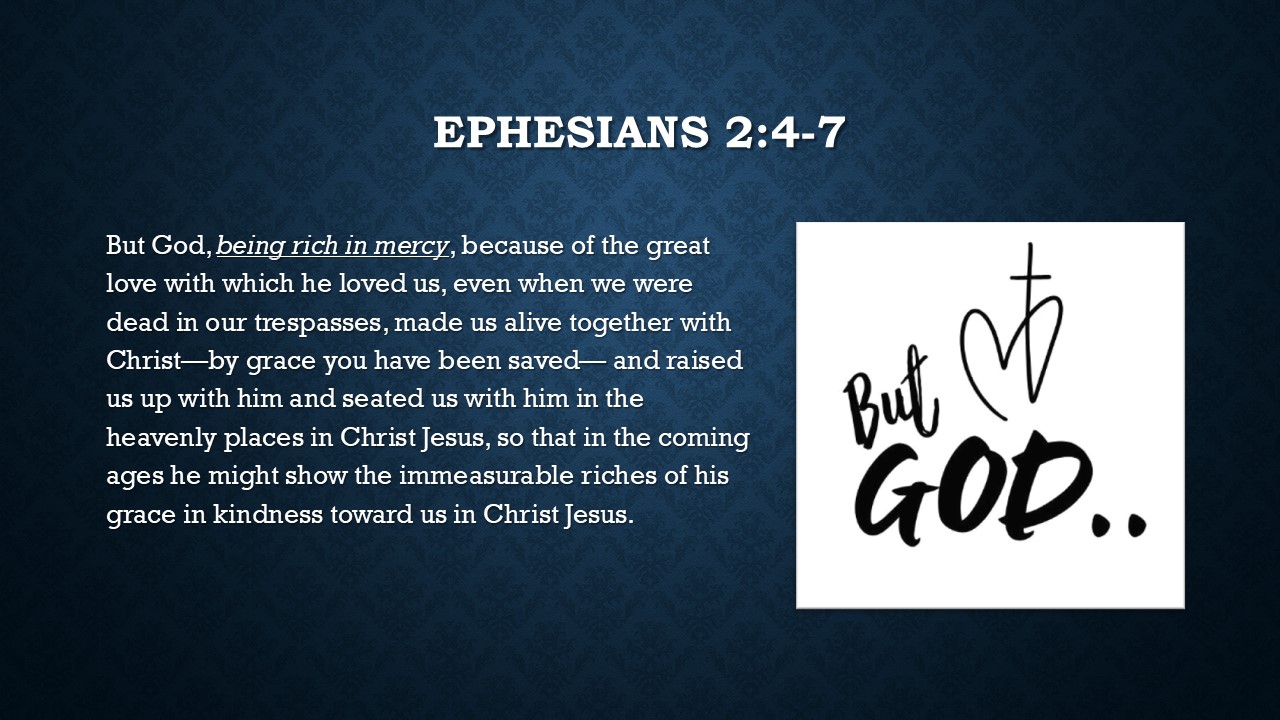
Ephesians 2:4-7:
But God, being rich in mercy, because of the great love with which he loved us, even when we were dead in our trespasses, made us alive together with Christ—by grace you have been saved— and raised us up with him and seated us with him in the heavenly places in Christ Jesus, so that in the coming ages he might show the immeasurable riches of his grace in kindness toward us in Christ Jesus.
But God, Being Rich in Mercy:
The phrase “But God” introduces a dramatic shift from despair to hope. Despite our helpless state, God intervened. He is described as “rich in mercy,” indicating an abundance of compassion toward us. The Greek word for mercy is eleos (ἔλεος), which conveys kindness or goodwill toward the miserable and afflicted, joined with a desire to help them.
How much mercy does God show us? Lamentations 3:22-23 reflects on God’s steadfast mercy:
The steadfast love of the LORD never ceases; his mercies never come to an end; they are new every morning; great is your faithfulness.
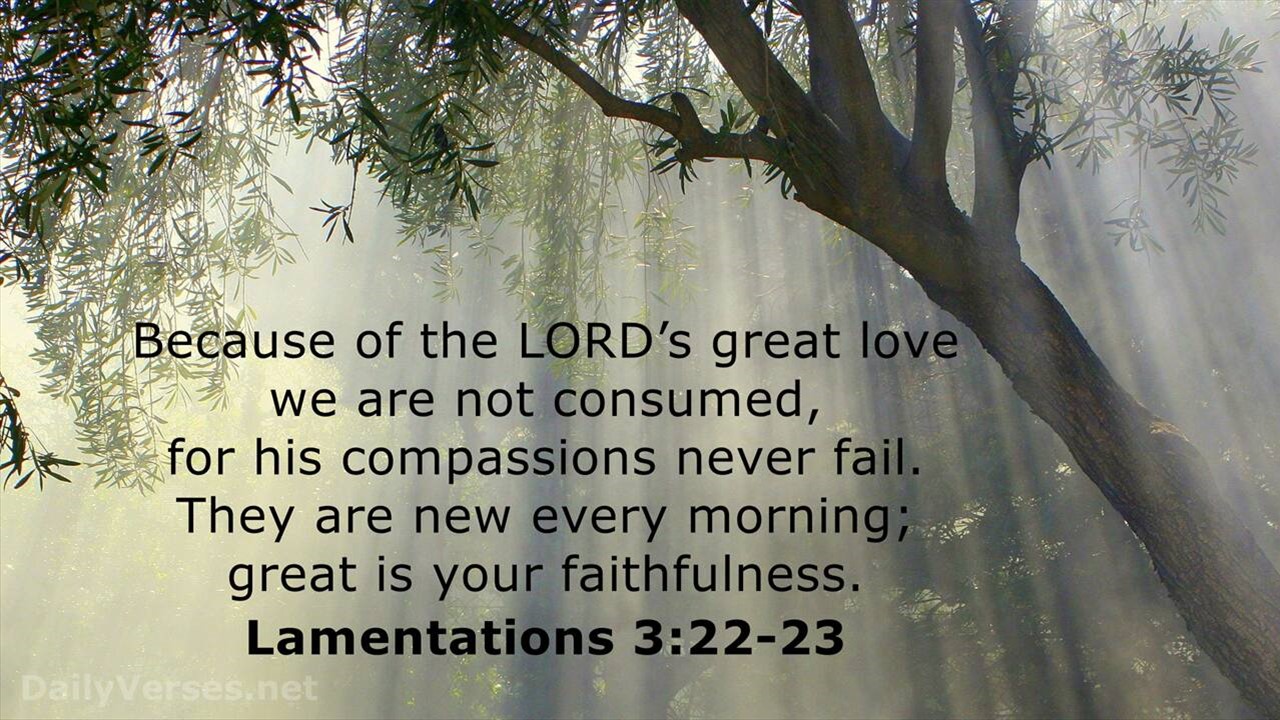
God’s mercy is inexhaustible and renewed daily.
Because of the Great Love:
God’s motivation is “the great love with which he loved us.” The Greek word for love here is agapē (ἀγάπη), signifying unconditional, sacrificial love. This love is the driving force behind God’s redemptive actions.
Romans 5:8 illustrates this love:
But God shows his love for us in that while we were still sinners, Christ died for us.
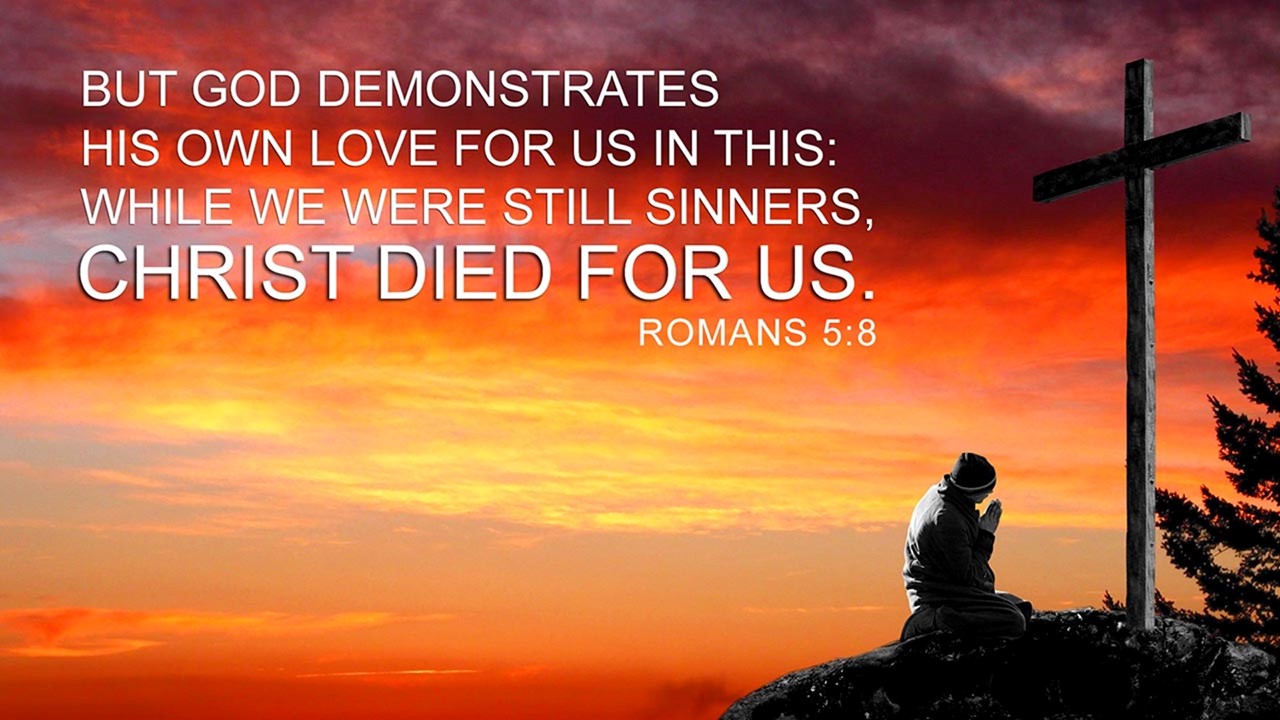
God’s love initiates and accomplishes our salvation.
Made Us Alive Together with Christ:
Even when we were spiritually dead, God “made us alive together with Christ.” The Greek term syzōopoieō (συζωοποιέω) means to make alive together, emphasizing our union with Christ in His resurrection. This spiritual resurrection reverses our state of death due to sin.
Colossians 2:13 confirms this truth:
And you, who were dead in your trespasses… God made alive together with him, having forgiven us all our trespasses.
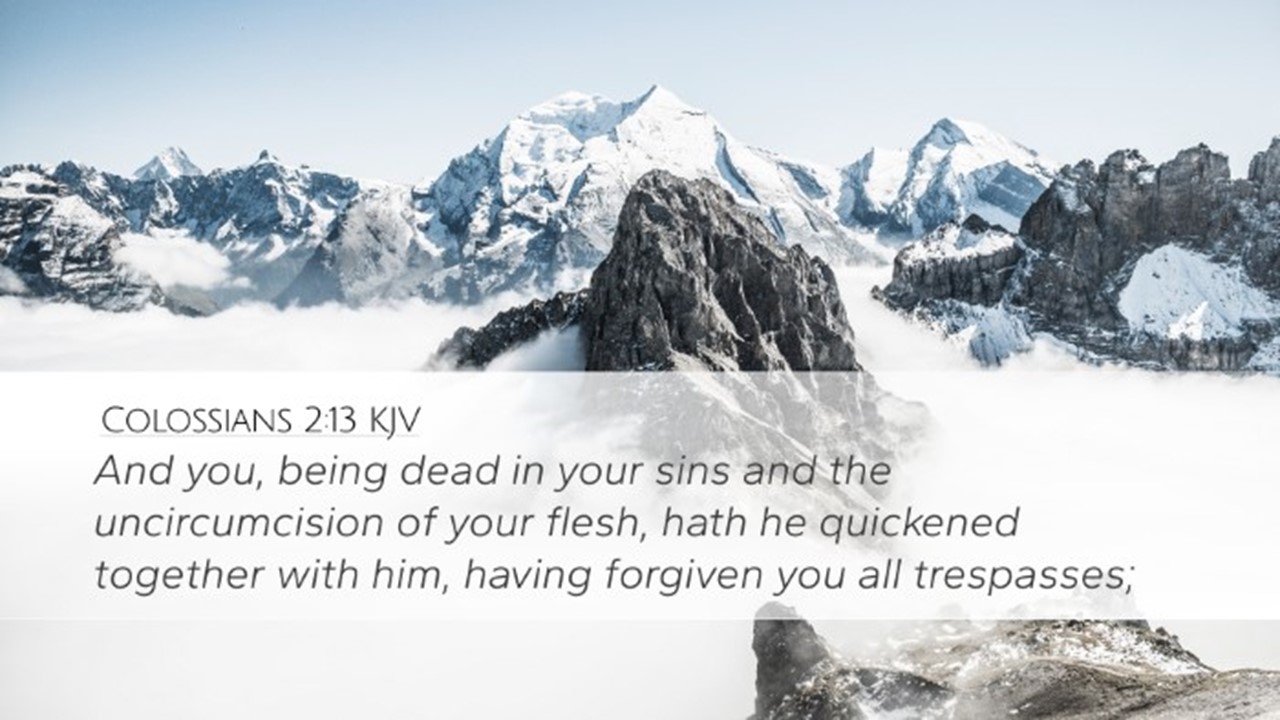
Our new life is a result of God’s forgiveness and grace.
By Grace You Have Been Saved:
Paul inserts this parenthetical statement to highlight that salvation is entirely by grace (Greek charis, χάρις)—God’s unmerited favor. We did nothing to earn or deserve it. And this grace is the foundation of our redemption.
Raised Us Up and Seated Us with Him:
God “raised us up with him and seated us with him in the heavenly places in Christ Jesus.” This signifies our exalted position in Christ. While physically on earth, spiritually we share in Christ’s resurrection and ascension. The “heavenly places” represent the spiritual realm where Christ reigns.
Philippians 3:20 reminds us:
But our citizenship is in heaven, and from it we await a Savior, the Lord Jesus Christ.

Our true identity and home are with Christ in heaven.
And why did God do all this?
Purpose of God’s Action:
God’s purpose is “so that in the coming ages he might show the immeasurable riches of his grace in kindness toward us in Christ Jesus.” God’s grace is not only sufficient but abundant beyond measure.
1 Corinthians 2:9 speaks of God’s plans:
But, as it is written, ‘What no eye has seen, nor ear heard, nor the heart of man imagined, what God has prepared for those who love him.’
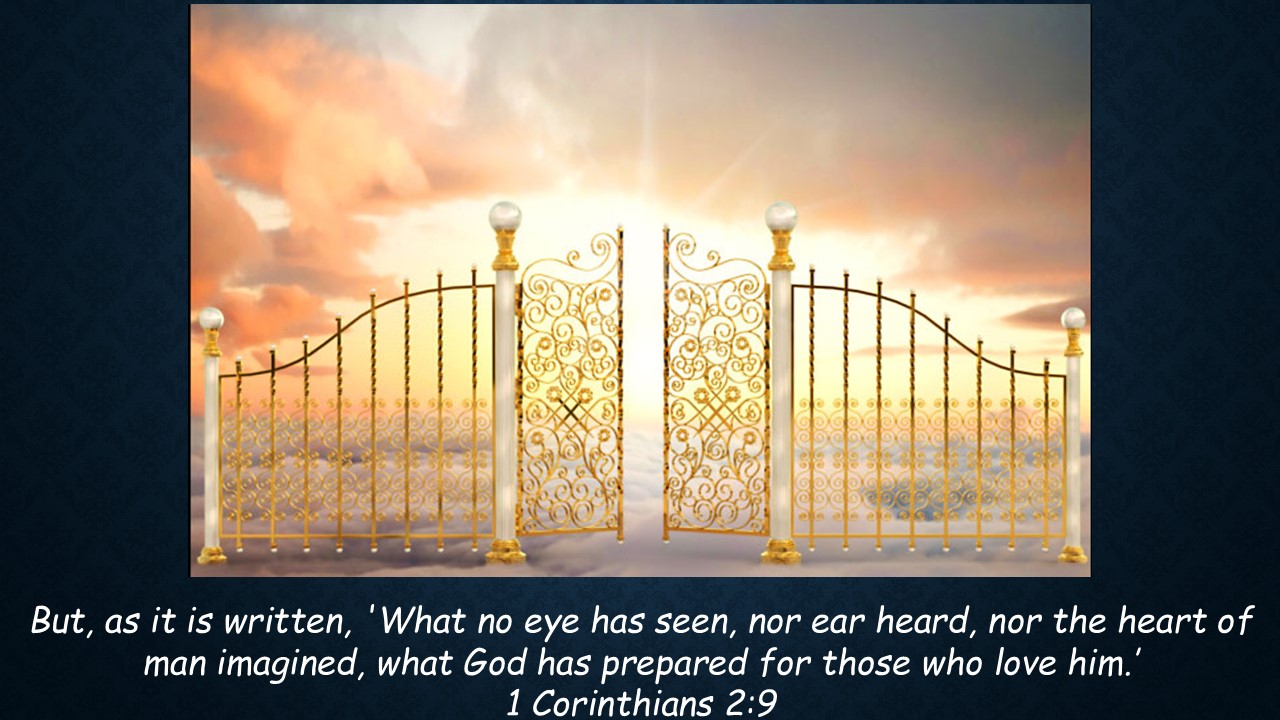
God’s kindness toward us will be displayed throughout eternity.
Discussion Question: God saved us by grace when we were spiritually dead. How does this change the way you see God’s love for you? How might understanding this help you show grace to others?
IV. Ephesians 2:8-9: Salvation by Grace Through Faith
Ephesians 2:8-9,
For by grace you have been saved through faith. And this is not your own doing; it is the gift of God, not a result of works, so that no one may boast.

By Grace Through Faith:
The core truth of the Gospel is that salvation comes “by grace… through faith.” Grace is God’s goodness extended to us, not something we earn or deserve. It’s a gift given out of His love and mercy. Faith refers to trusting completely in the work of Jesus Christ, rather than relying on our own efforts. It’s through this trust that we receive salvation. Faith is the way we accept the gift of grace.
It Is the Gift of God:
Paul stresses that salvation is “not a result of works.” No amount of human effort or good deeds can earn salvation. If it were based on works, we could boast about our accomplishments. However, since salvation is a gift from God, there is no room for boasting. It is entirely God’s work, not ours.
So, works are not important. Except…
V. Ephesians 2:10: Created for Good Works
Ephesians 2:10:
For we are his workmanship, created in Christ Jesus for good works, which God prepared beforehand, that we should walk in them.

His Workmanship:
Paul describes us as “his workmanship,” meaning we are carefully crafted by God. This suggests that God designed each of us with intentionality and care, like a master artist creating a work of art. Recognizing ourselves as God’s workmanship affirms our value and purpose.
Created in Christ Jesus for Good Works:
Paul clarifies that although we are not saved by works, we are saved for works. These good works are the natural outflow of a transformed life in Christ. Once we are saved, we are empowered by the Holy Spirit to live in a way that reflects Christ’s character. Our good works are not the cause of our salvation but the result of it, serving as evidence of our faith in action.
Good works are important because they demonstrate the change God has worked in us. They are the tangible fruit of a life transformed by grace. Through our actions, we reflect God’s love, mercy, and righteousness to the world, and we live out the purpose He has set for us.
Which God Prepared Beforehand:
The good works we are called to do have been “prepared beforehand” by God. This means that God has already designed specific purposes and tasks for each of us to fulfill as part of His sovereign plan. Our role is to discover and walk in those works, trusting that God has a unique plan for each of our lives.
That We Should Walk in Them:
The phrase “walk in them” suggests an ongoing, active lifestyle of living out the good works God has prepared for us. Walking implies progress and consistency, and we are called to integrate these works into every aspect of our lives. As we live out our faith, we bring glory to God and serve as witnesses to the world of His transformative power.
Good works are an essential part of the Christian life. While they don’t earn our salvation, they serve as the natural result of a life changed by Christ. They are the visible proof that we have been made new in Him. As believers, our good works demonstrate our obedience, love, and gratitude for the grace we have received. They are a way to reflect Christ to others and to fulfill the purpose for which God has created us..
Discussion Question: Knowing that you are God’s workmanship created for good works He prepared in advance, how does that affect your plans for today, this week, this year?
VI. Conclusion
Our study of Ephesians 2:1-10 has not only shown us our salvation but also revealed what Christ has saved us from. Today, we covered:
- Our Past Condition:
- We were spiritually dead, following the course of this world and under the influence of spiritual darkness.
- We lived in the passions of our flesh, carrying out the desires of our body and mind.
- We were by nature children of wrath, deserving of God’s righteous judgment.
- But God Intervened:
- Motivated by His rich mercy and great love, God did not leave us in our desperate state.
- He made us alive together with Christ—by grace we have been saved.
- He raised us up and seated us with Him in the heavenly places in Christ Jesus.
- Salvation by Grace Through Faith:
- Our salvation is a divine gift received through faith, not earned by works.
- This eliminates any basis for boasting, emphasizing that our redemption is solely the work of God.
- It highlights God’s initiative and generosity in extending grace to us.
- Purposeful Creation:
- We are God’s workmanship, His masterpiece, created in Christ Jesus for good works.
- These good works were prepared beforehand by God for us to walk in them.
- We are called to actively live out our faith by engaging in the purposes God has designed for us.

We can embrace our identity in Christ. Our value comes from being God’s creation, redeemed and renewed through Him.
To God be the glory, Amen.

 Chasing the Wind
Leave a comment